Continuing Studies: Higher Ed Podcasting cover art

Continuing Studies: Higher Ed Podcasting

Continuing Studies: Higher Ed Podcasting

By: Jennifer-Lee Gunson & Neil McPhedran. HigherEdPods.com. Podium Podcast Co.
Listen for free

We explore the intersection of higher education and podcasting. Each episode of Continuing Studies features insights from seasoned university podcasters who share tips, best practices, and stories from their podcasting journeys. Hosted by Jennifer-Lee Gunson and Neil McPhedran, this series covers everything from the technical aspects of podcasting to the art of storytelling and conducting interviews. Continuing Studies is more than just a podcast; it's a community. Connect with fellow higher ed podcasters, share your experiences, and continue your podcasting education on HigherEdPods.com. We're also on a journey to infuse Podcasting 2.0 best practices into our show. Our goal is to try every feature to determine the best suited for higher education podcasting. We'll be sharing our learnings and reviewing new podcasting apps and hosting services embracing Podcasting 2.0. Show Website: https://www.continuingstudiespodcast.com/ Show LinkedIn Page: https://www.linkedin.com/showcase/continuing-studies-podcast/©2026 Podium Podcast Company Economics Marketing Marketing & Sales
Episodes
  • Why Great Interviews Start with Not Knowing Everything
    Jun 15 2026

    After 300+ interviews with Stanford experts, Russ Altman knows how to turn complex ideas into conversations people actually want to follow.

    In this episode of Continuing Studies, Neil and Jen talk with Russ, host of The Future of Everything, about the craft behind engaging expert interviews. Russ shares how he keeps highly technical conversations clear and fun, why he sees himself as the “jargon police,” and how curiosity can be more useful than trying to know everything in the room. They also get into his practical interview strategies, from preparing “emergency topics”, to using a mid-interview break to refocus, check in with the guest, and steer the episode toward a strong ending. A smart, fun, and practical listen for anyone trying to make expert knowledge more accessible.


    Episode Links:

    • Connect with Russ
    • The Future of Everything

    Connect with Us:

    • Share Feedback & Ask Questions: hello@continuingstudiespodcast.com
    • Learn More: Continuing Studies Podcast
    • Follow: Continuing Studies LinkedIn Page
    • Join LinkedIn Group: University Podcasters Network
    • Connect w/ Jen: LinkedIn or jpodcreations@gmail.com
    • Connect w/ Neil: LinkedIn or neil@podiumpodcastco.com
    • Twitter: @namcphedran / @podiumpodcastco
    • Youtube
    • HigherEdPods

    Chapters:

    • (00:00) - Introduction
    • (03:33) - From SiriusXM to podcasting
    • (05:02) - Returning to the show’s original purpose
    • (07:20) - Making science relatable
    • (08:47) - Interviewing beyond your expertise
    • (11:38) - Why not knowing everything can help
    • (14:17) - The no pre-interview rule
    • (17:43) - Emergency topics and interview prep
    • (19:21) - The mid-interview break
    • (24:59) - Video, shorts, and audience reach
    • (28:31) - Advice after 300+ episodes
    • (31:06) - Conclusion

    Join us at Higher Ed Pod Con in Cleveland, OH, July 16 - 17 2026
    Sign up by May 29 for Early Bird Pricing

    Show More Show Less
    34 mins
  • How to Use Podcasting for Participatory Research
    Jun 1 2026

    How can podcasting become more than a way to share research—and actually become part of the research itself?

    In this episode of Continuing Studies, Neil and Jen talk with Abigail Harrison Moore from the University of Leeds about Whose Power, a podcast project created with the Preservative Party, a group of young curators at Leeds City Museum. Abigail shares how the project uses podcasting as a participatory research space—one built around trust, consent, listening, and shared authorship.

    The conversation explores how podcasting can help break down gatekeeping in museums and academia, why audio can capture things that written research often misses, and what it takes to create a safe space where young people can lead the conversation. Abigail also explains why the project is staying audio-only, how voice, accents, pauses, and emotion became part of the research, and why participatory work requires much more preparation than simply turning on the mics.

    It’s a thoughtful look at how podcasting can open doors, shift power, and help researchers learn with communities—not just speak about them.


    Episode Links:

    • Listen to Whose Power?
    • Professor Abigail Harrison Moore
    • Learn more about The Preservative Party
    • Research Podcasts

    Connect with Us:

    • Share Feedback & Ask Questions: hello@continuingstudiespodcast.com
    • Learn More: Continuing Studies Podcast
    • Follow: Continuing Studies LinkedIn Page
    • Join LinkedIn Group: University Podcasters Network
    • Connect w/ Jen: LinkedIn or jpodcreations@gmail.com
    • Connect w/ Neil: LinkedIn or neil@podiumpodcastco.com
    • Twitter: @namcphedran / @podiumpodcastco
    • Youtube
    • HigherEdPods


    Chapters:

    • (00:00) - Introduction
    • (02:01) - Abigail Harrison Moore and Whose Power
    • (03:04) - The origins of Whose Power
    • (06:14) - Gatekeeping, museums, and youth voice
    • (08:16) - Why podcasting became part of the project
    • (10:00) - Podcasting as participatory research
    • (10:58) - The podcast studio as a participatory space
    • (12:37) - Trust, safety, and preparing the space
    • (14:11) - Accents, pauses, and what audio reveals
    • (15:38) - The emotional work of participatory research
    • (17:05) - Why this project stays audio-only
    • (19:08) - Non-negotiables before recording
    • (21:49) - History, power, and who gets represented
    • (24:18) - Podcasting as a research method
    • (26:31) - What’s next: Research Podcasts and EPOD
    • (27:23) - Conclusion

    Join us at Higher Ed Pod Con in Cleveland, OH, July 16 - 17 2026
    Sign up by May 29 for Early Bird Pricing

    Show More Show Less
    30 mins
  • Using Academic Research to Make Sense of the News Cycle
    May 18 2026

    How can a podcast use academic research to help us make sense of today’s news?

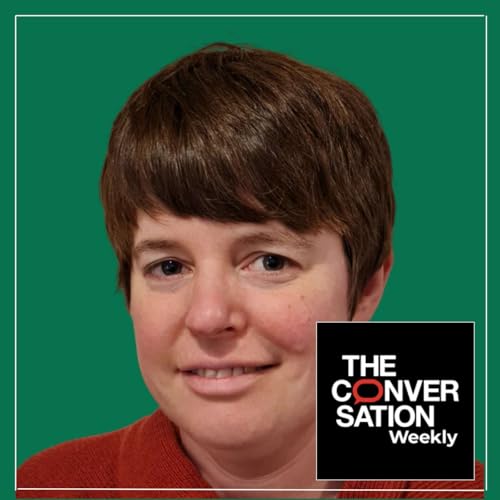
    Neil and Jen talk with Gemma Ware, head of audio at The Conversation UK and host/co-producer of The Conversation Weekly, about how the show brings academic expertise into the news cycle through narrative-produced audio. Gemma shares how The Conversation pairs academic rigour with journalistic flair, helping researchers explain complex ideas in a way that’s clear, accessible, and useful for a general audience.

    The conversation also digs into the craft behind the show: structuring episodes around the question “How did we get here?”, working with academics on mic, sustaining a weekly production schedule, and thinking strategically about multimedia, video, and discoverability. It’s a thoughtful look at how higher ed podcasters can translate expertise into stories that help listeners better understand the world around them.


    Episode Links:

    • The Conversation Weekly
    • The Conversation
    • Gemma Ware Profile

    Connect with Us:

    • Share Feedback & Ask Questions: hello@continuingstudiespodcast.com
    • Learn More: Continuing Studies Podcast
    • Follow: Continuing Studies LinkedIn Page
    • Join LinkedIn Group: University Podcasters Network
    • Connect w/ Jen: LinkedIn or jpodcreations@gmail.com
    • Connect w/ Neil: LinkedIn or neil@podiumpodcastco.com
    • Twitter: @namcphedran / @podiumpodcastco
    • Youtube
    • HigherEdPods


    Chapters:

    • (00:00) - Introduction
    • (02:59) - What is The Conversation?
    • (04:45) - The Editing Process
    • (06:07) - From The Anthill to The Conversation Weekly
    • (10:08) - The “How did we get here?” structure
    • (12:21) - Turning current affairs into academic storytelling
    • (14:12) - Sustaining a weekly podcast
    • (15:37) - Helping academics communicate clearly
    • (18:58) - Building a global audio network
    • (21:12) - Podcasting, multimedia, and discoverability
    • (27:19) - Leaning into niche expertise
    • (29:56) - How long should the story be?
    • (30:45) - Closing reflections
    • (31:33) - Conclusion

    Join us at Higher Ed Pod Con in Cleveland, OH, July 16 - 17 2026
    Sign up by May 29 for Early Bird Pricing

    Show More Show Less
    32 mins
adbl_web_anon_alc_button_suppression_t1
No reviews yet