• #86 When Every Face Looks Unfamiliar: Inside the World of Faceblindness
    Jun 15 2026

    For most of her life, Sadie Dingfelder thought she was simply quirky: bad with directions, unusually clumsy, unable to recognize faces, and disconnected from many of her own memories. Then, a startling encounter in a grocery store led her to question whether her experiences reflected something deeper.

    In this episode of It Happened To Me, Cathy and Beth speak with Sadie about discovering that her brain processes faces, memories, images, and depth differently from most people’s. Her search for answers took her inside leading neuroscience laboratories, where she participated in brain-imaging studies and learned more about faceblindness, severely deficient autobiographical memory, stereoblindness, and aphantasia.

    Sadie shares what it is like to attend a party where everyone recognizes her, but she cannot identify anyone else, and how the fear of offending people can create anxiety in social and professional settings. She also explains the strategies she developed during her journalism career, from recognizing people through their voices and mannerisms to navigating conversations without revealing that she did not know who she was speaking with.

    The conversation also explores what it means to discover that other people can mentally replay scenes from their lives, visualize images in their minds, and perceive a level of three-dimensional depth that Sadie has never experienced. She reflects on the complicated mix of grief, relief, and self-understanding that accompanied these discoveries.

    Sadie’s story reminds us that there is no single “normal” way to perceive, remember, or experience the world, and that many cognitive and visual differences remain invisible to the people around us.

    In This Episode, We Discuss
    • The grocery store encounter that led Sadie to investigate how her brain works
    • The neurological difference between forgetting someone’s name and being unable to recognize their face
    • Navigating parties, professional events, and everyday interactions with faceblindness
    • The anxiety of unintentionally appearing rude or failing to recognize someone familiar
    • Severely Deficient Autobiographical Memory (SDAM) and the inability to mentally revisit personal experiences
    • The strategies Sadie used throughout her career as a journalist
    • How her cognitive differences affected childhood, independence, driving, and relationships
    • Stereoblindness and what it means to experience the visual world without typical 3D depth
    • Participating in neuroscience research and seeing differences in her brain through imaging
    • Aphantasia and how writing creatively without a visual imagination is possible
    • The freedom that can come from openly discussing an invisible disability
    • The grief and relief of finally understanding lifelong differences
    • What Sadie learned from vision therapy and attempts to develop 3D vision
    • Why cognitive and perceptual abilities may exist across a much broader spectrum than we realize
    About Sadie Dingfelder

    Sadie Dingfelder is a freelance science journalist whose writing has appeared in The New Yorker, National Geographic, and The Washington Post. She previously worked as a staff reporter for The Washington Post Express and as a senior science writer for the American Psychological Association’s Monitor on Psychology, where she covered neuroscience, cognitive science, and animal behavior.

    She is the author of Do I Know You?: A Faceblind Reporter’s Journey into the Science of Sight, Memory, and Imagination, which combines memoir, investigative journalism, and neuroscience to explore the many ways human beings experience the world differently.

    Connect With Us

    Stay tuned for the next new episode of “It Happened To Me”! In the meantime, you can listen to our previous episodes on Apple Podcasts, Spotify, streaming on the website, or any other podcast player by searching, “It Happened To Me”.

    “It Happened To Me” is created and hosted by Cathy Gildenhorn and Beth Glassman. DNA Today’s Kira Dineen is our executive producer and marketing lead. Amanda Andreoli is our associate producer. Ashlyn Enokian is our graphic designer.

    See what else we are up to on Twitter, Instagram, Facebook, YouTube and our website, ItHappenedToMePod.com. Questions/inquiries can be sent to ItHappenedToMePod@gmail.com.

    Show More Show Less
    42 mins
  • #85 Brain Health Beyond Movement: Pain, Balance, and Neurological Recovery
    Jun 1 2026

    In this episode of It Happened To Me, we continue our conversation with Dr. David Traster, a clinical neurologist and educator who works with patients experiencing complex neurological conditions.

    In Part 1, Dr. Traster introduced clinical neurology, shared his personal experience with chronic illness and delayed diagnosis, and explained how neuroplasticity can help the brain adapt and recover. In Part 2, the conversation expands into how the nervous system affects far more than movement, including pain, digestion, heart rate, fatigue, balance, vision, and everyday functioning.

    Dr. Traster explains how different areas of the brain and nervous system influence the body, and why neurological symptoms do not always appear clearly on imaging or lab results. He discusses how patients can feel dismissed when their symptoms are real but difficult to measure, and offers practical insight into how people can advocate for themselves while seeking a diagnosis and appropriate care.

    Cathy and Dr. Traster also explore the connection between balance, vision, the inner ear, and spatial orientation. Using clear examples, Dr. Traster explains how the brain integrates information from the eyes, body, and vestibular system, and how dizziness, vertigo, motion sensitivity, or imbalance can occur when those systems are not communicating properly.

    The episode also looks at neurological recovery across the lifespan. Dr. Traster emphasizes that people are never “too old” or “too sick” to improve brain function, although each person’s recovery depends on their condition, limitations, and consistency. He explains the importance of repetition and targeted exercise in strengthening brain pathways, and why practice can help make functional improvements more lasting.

    This conversation closes with a hopeful look at the future of neurological recovery, including the role of technology, AI, advanced imaging, and new tools that may help us better understand and support the brain.

    In This Episode, We Discuss:
    • How the nervous system affects pain, digestion, heart rate, fatigue, and emotions
    • Why some neurological symptoms do not show up on MRIs, CT scans, or lab work
    • The challenges patients face when symptoms are dismissed or misunderstood
    • How to advocate for yourself when something feels wrong
    • Why diagnosis matters before treatment can be effective
    • How balance, vision, the inner ear, and body awareness work together
    • What can cause dizziness, vertigo, motion sensitivity, and imbalance
    • How people with vision loss or visual limitations can strengthen other systems
    • Why neurological recovery is possible at every age
    • How exercise, nutrition, social connection, and learning support brain health
    • The role of repetition and targeted exercises in retraining the nervous system
    • Common misconceptions about the brain’s ability to heal
    • Why technology may transform the future of neurological care
    About Dr. David Traster

    Dr. David Traster is a clinical neurologist and educator with nearly two decades of experience working with patients experiencing complex neurological conditions. His background as an athlete and personal trainer, along with his own experience navigating injury and chronic health challenges, shaped his approach to neurological recovery and rehabilitation.

    Dr. Traster has advanced training in concussion, dizziness and vertigo, movement disorders, autonomic nervous system conditions, and childhood developmental disorders. His work focuses on helping patients improve function through neurorehabilitation, targeted exercises, and individualized care.

    Listen to Part 1

    Listen to Part 1 of this conversation on Episode 85 of It Happened To Me to hear Dr. Traster explain clinical neurology, his own experience with delayed diagnosis and Lyme disease, concussion recovery, targeted brain rehabilitation, and neuroplasticity.

    Connect With Us

    Stay tuned for the next new episode of “It Happened To Me”! In the meantime, you can listen to our previous episodes on Apple Podcasts, Spotify, streaming on the website, or any other podcast player by searching, “It Happened To Me”.

    “It Happened To Me” is created and hosted by Cathy Gildenhorn and Beth Glassman. DNA Today’s Kira Dineen is our executive producer and marketing lead. Amanda Andreoli is our associate producer. Ashlyn Enokian is our graphic designer.

    See what else we are up to on Twitter, Instagram, Facebook, YouTube and our website, ItHappenedToMePod.com. Questions/inquiries can be sent to ItHappenedToMePod@gmail.com.

    Show More Show Less
    24 mins
  • #84 How the Brain Heals: Concussions, Neuroplasticity, and Clinical Neurology
    May 18 2026
    In this episode of It Happened To Me, we explore clinical neurology, how the brain and nervous system function, what happens when things go wrong, and how recovery and adaptation are possible even after injury or chronic neurological challenges. Our guest is Dr. David Traster, a clinical neurologist and educator who has spent nearly two decades working with patients experiencing complex neurological conditions. His background as an athlete and personal trainer, combined with his own experiences navigating injury and chronic health issues, shaped his interest in helping people improve function through neurological recovery. Dr. Traster has advanced training in concussion, dizziness and vertigo, movement disorders, autonomic nervous system conditions, and childhood developmental disorders. His work focuses on helping patients improve function through neurorehabilitation and targeted exercises, without relying solely on drugs or surgery. In Part 1 of this conversation, Dr. Traster explains what clinical neurology really means and how it differs from the traditional view of neurology as diagnosis, medication, or surgery alone. He shares his own experience as a high-level basketball player whose life changed after a surgery led to years of unexplained symptoms, eventually resulting in a Lyme disease diagnosis. That personal journey shaped how he listens to patients whose symptoms do not fit neatly into a diagnosis. The conversation also explores how the brain responds to injury, including concussion and traumatic brain injury. Dr. Traster explains why recovery often requires more than rest and time, and how targeted exercises involving vision, balance, eye movement, vestibular rehabilitation, and cognitive therapy can help retrain specific brain pathways. Cathy and Dr. Traster also discuss how this approach may apply to patients living with rare or genetic conditions. While neurorehabilitation may not cure an underlying condition, Dr. Traster explains that improving function, balance, movement, and quality of life can still be meaningful and powerful for patients. Dr. Traster also provides a clear explanation of neuroplasticity, the brain’s ability to change, strengthen, and reorganize through repeated activity. Dr. Traster breaks down why “brain cells that fire together wire together,” and how learning, movement, repetition, and targeted practice can support healing and adaptation. In This Episode, We Discuss: What clinical neurology is and how it differs from traditional neurologyWhy the brain may need functional and physics-based approaches, not only chemical interventionsDr. Traster’s personal experience with chronic illness, delayed diagnosis, and Lyme diseaseHow being dismissed medically shaped his empathy for patientsWhy neurological symptoms like dizziness, brain fog, and balance issues can be misunderstoodHow concussion recovery can involve targeted brain rehabilitationThe role of vision, balance, vestibular rehab, eye movement therapy, and cognitive exercisesHow neurorehabilitation may support patients with genetic or rare conditionsWhy function and quality of life matter, even when a condition cannot be curedWhat neuroplasticity means in simple termsHow learning, repetition, and practice help strengthen brain connections About Dr. David Traster Dr. David Traster is a clinical neurologist and educator with nearly two decades of experience working with patients experiencing complex neurological conditions. His background as an athlete and personal trainer, along with his own experience navigating injury and chronic health challenges, shaped his approach to neurological recovery and rehabilitation. Dr. Traster has advanced training in concussion, dizziness and vertigo, movement disorders, autonomic nervous system conditions, and childhood developmental disorders. His work focuses on helping patients improve function through neurorehabilitation, targeted exercises, and individualized care. Resources "Sidney Crosby’s concussion 10 years later and the NHL’s progress since: Yohe" via NY Times Dr. David Traster’s Neurologic Wellness Institute Profile Learn More Listen to Part 2 for the continuation of this conversation, where Dr. Traster discusses how the nervous system affects pain, digestion, heart rate, fatigue, balance, vision, the inner ear, patient advocacy, and neurological recovery across the lifespan. Connect With Us Stay tuned for the next new episode of “It Happened To Me”! In the meantime, you can listen to our previous episodes on Apple Podcasts, Spotify, streaming on the website, or any other podcast player by searching, “It Happened To Me”. “It Happened To Me” is created and hosted by Cathy Gildenhorn and Beth Glassman. DNA Today’s Kira Dineen is our executive producer and marketing lead. Amanda Andreoli is our associate producer. Ashlyn Enokian is our graphic designer. See what else we are up to on Twitter, Instagram, Facebook, YouTube and our...
    Show More Show Less
    30 mins
  • #83 Surviving Addiction and Suicide Attempts: Drew Motiv’s Journey to Recovery
    May 4 2026

    A sensitive content warning: this episode includes discussion of substance addiction, mental health struggles, suicide attempts, and recovery.

    If you or someone you know is in immediate danger or at risk of harm, call 911 or go to the nearest emergency room. The 988 Suicide & Crisis Lifeline is available 24/7 in the U.S., call or text 988 to connect with a trained counselor, or use the online chat through the 988 Lifeline. It supports people experiencing suicidal thoughts, emotional distress, mental health crises, and substance use concerns.

    To honor May being Mental Health Awareness month we invited Drew Motiv to share his story of transformation through addiction, mental health struggles, and surviving suicide attempts, in this episode. Now a motivational speaker and founder of the Divine Family Movement, Drew opens up about the darkest chapters of his life and how he found his way toward healing, self-belief, and purpose.

    We explore what it truly means to hit rock bottom, the isolation that can come with addiction and recovery, and the difficult work of rebuilding your identity after trauma. Drew reflects on the internal battles he faced, the moments that changed his path, and how he now uses his lived experience to help others feel less alone.

    Beth and Cathy also talk with Drew about the emotional complexity of recovery, learning to trust yourself again, coping with lingering anxiety and darkness, and turning personal pain into public advocacy. His story is both deeply personal and broadly resonant for anyone navigating mental health challenges, addiction, or the long road back to themselves.

    In this episode, we discuss:
    • Drew Motiv’s journey through addiction and mental health struggles
    • What “rock bottom” looked like in his life
    • Surviving suicide attempts and the emotional aftermath
    • The role of isolation, honesty, and support in recovery
    • Rebuilding trust in yourself after trauma
    • How recovery is not linear
    • Turning painful experiences into purpose-driven advocacy
    • Founding the Divine Family Movement
    • Redefining strength, especially for men facing stigma around vulnerability
    • What Drew wants listeners who are struggling to hear right now

    If you or someone you know is struggling, please use the resources below.

    Drew’s Links:

    Follow Drew Motiv on Instagram @Drew_Motiv

    divinefamilymovement.com

    Resources:

    Need support? If you or someone you know is in immediate danger, call 911 or go to the nearest emergency room. In the U.S., you can call or text 988 for the Suicide & Crisis Lifeline 24/7. For substance use or mental health treatment referrals, contact SAMHSA’s National Helpline at 1-800-662-HELP (4357). For text-based crisis support, text HOME to 741741. Veterans and service members can reach the Veterans Crisis Line by calling 988 and pressing 1 or texting 838255. For non-crisis support and local mental health resources, contact NAMI HelpLine at 1-800-950-NAMI (6264) or text NAMI to 62640.

    Connect With Us:

    Stay tuned for the next new episode of “It Happened To Me”! In the meantime, you can listen to our previous episodes on Apple Podcasts, Spotify, streaming on the website, or any other podcast player by searching, “It Happened To Me”.

    “It Happened To Me” is created and hosted by Cathy Gildenhorn and Beth Glassman. DNA Today’s Kira Dineen is our executive producer and marketing lead. Amanda Andreoli is our associate producer. Ashlyn Enokian is our graphic designer.

    See what else we are up to on Twitter, Instagram, Facebook, YouTube and our website, ItHappenedToMePod.com. Questions/inquiries can be sent to ItHappenedToMePod@gmail.com.

    Show More Show Less
    28 mins
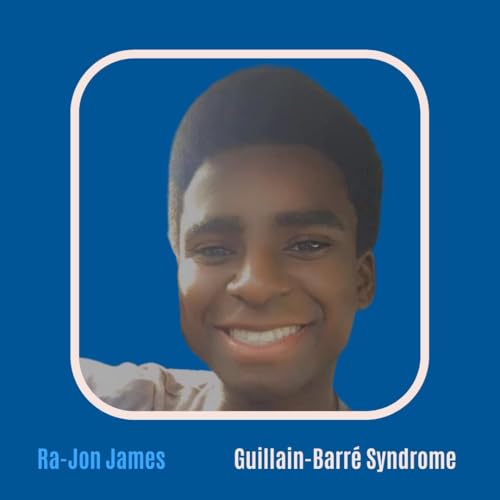
  • #82 Paralyzed Overnight: Relearning to Walk After Guillain-Barré Syndrome
    Apr 20 2026

    Guest Ra-Jon James opens up about his medical emergency that turned his world upside down in an instant. Ra-Jon was diagnosed with Guillain-Barré Syndrome (GBS), a rare neurological condition where the body’s immune system attacks the nerves, leading to rapid muscle weakness and, in Ra-Jon's case, sudden paralysis.

    Ra-Jon first shared his courageous journey on WTKR news in his hometown, and in this episode he joins us to go deeper into the emotional and physical grit required to relearn how to stand, walk, and reclaim his independence.

    In This Episode, We Discuss:
    • The Sudden Onset: Ra-Jon describes the terrifying moment his body stopped responding and how quickly his symptoms progressed from minor sensations to total loss of movement.
    • Understanding GBS: A look at Guillain-Barré Syndrome in plain English, what it feels like when your nervous system "short-circuits" and the emotional toll of losing autonomy overnight.
    • The Diagnostic Journey: The moment of receiving the diagnosis and why early medical intervention is the most critical factor in recovery.
    • The Road to Recovery: What it’s actually like to start physical therapy when even the smallest movements feel impossible. Ra-Jon shares the profound experience of his first steps after paralysis.
    • Mindset & Resilience: How Ra-Jon stayed motivated during the "invisible" days of progress and the role mental strength plays in neurological healing.
    • Support Systems: The importance of community and the specific ways loved ones can provide hope during a long-term recovery.
    Key Takeaways for Listeners:
    • Recognize the Red Flags: Rapidly spreading weakness or tingling in your extremities should never be ignored.
    • You Are Not Alone: GBS can be an isolating experience; Ra-Jon offers advice for those currently terrified by a new diagnosis.
    • Defining Hope: What healing looks like today and why believing in your body’s ability to recover is half the battle.
    Resources Mentioned:
    • Ra-Jon’s WTKR News Feature
    • GBS/CIDP Foundation International Website
    About the Guest:

    Ra-Jon James is a GBS survivor and advocate. After his story went public following a local news appearance, he has dedicated himself to raising awareness about Guillain-Barré Syndrome and providing hope to others facing sudden neurological challenges.

    Connect With Us:

    Stay tuned for the next new episode of “It Happened To Me”! In the meantime, you can listen to our previous episodes on Apple Podcasts, Spotify, streaming on the website, or any other podcast player by searching, “It Happened To Me”.

    “It Happened To Me” is created and hosted by Cathy Gildenhorn and Beth Glassman. DNA Today’s Kira Dineen is our executive producer and marketing lead. Amanda Andreoli is our associate producer. Ashlyn Enokian is our graphic designer.

    See what else we are up to on Twitter, Instagram, Facebook, YouTube and our website, ItHappenedToMePod.com. Questions/inquiries can be sent to ItHappenedToMePod@gmail.com.

    Show More Show Less
    27 mins
  • #81 How to Support Someone with Chronic Illness
    Apr 6 2026
    We welcome back Meredith Mangold to shift the conversation from the medical "odyssey" to the human connection. While the first part of Meredith’s story (Episode 76) focused on her grueling search for a diagnosis and treatment for ulcerative colitis, POTS, and EDS, in this episode, we explore the essential, and often overlooked, role of support systems. Living with chronic pain at an "8 out of 10" for years isn’t just a physical challenge; it’s a relational one. Meredith joins hosts Cathy and Beth to discuss what it means to be truly supported when an illness doesn't have an end date. We dive into the nuances of communication, the "guilt of being too much," and the common mistakes well-meaning loved ones make when trying to "fix" a situation that can’t be fixed. Whether you are navigating a chronic condition yourself or walking alongside someone who is, this episode offers a masterclass in empathy, validation, and the power of simply being believed. Episode Topics: Survival vs. Support: Identifying the moments when external support became essential to Meredith’s survival during her hardest years of chronic pain.The Anatomy of a Support System: What effective support looks like practically, emotionally, and through "quiet presence."Validation vs. "Fixing": Why well-meaning advice can sometimes feel harmful and how to pivot toward validation and safety.The Burden of Guilt: Navigating the fear of being "too much" for friends and family.Communicating the Invisible: Tips for articulating needs when pain is invisible and chronic.Advocacy without Burnout: How patients can ask for what they need without feeling ashamed. About the Guest: Meredith Mangold, CPXP, is the Founder of Empower Health Strategies and a Certified Patient Experience Professional. After being thrust into the healthcare system at age 20 with severe ulcerative colitis, later followed by diagnoses of POTS and Ehlers-Danlos Syndrome, Meredith dedicated her career to helping healthcare professionals and digital health innovators empathize with the patient journey. She serves on the board of the Chronic Pain Project, is a faculty member for the BiteLabs Fellowship, and collaborates with Johns Hopkins Hospital on patient advocacy initiatives. Resources & Links Mentioned: Meredith’s Website: Empower Health StrategiesConnect on LinkedIn: Meredith MangoldThe Chronic Pain Project: chronicpainproject.orgRead Meredith's Story: Emerging from the Fog (Johns Hopkins Medicine)The Chronic Illness Hotline: A text-based peer support line for those navigating chronic illness, pain, and disability. Support their mission or find help at chronicillnesshotline.org. Relevant It Happened To Me Podcast Episodes: #17 Mental Health Help with Social Worker Tamara Blum #25 Pancreatic Cancer with Patient Advocate Leslie Waldman #38 Dr. Tara Zier on Stiff Person Syndrome #66 Not Just Fatigue: Global Advocating for ME/CFS from Bed #76 When Pain Never Stops: A Survivor’s Story of Chronic Pain and Hope (Merdith’s First Interview) #77 When Chronic Illness Changes the Tune: A Musician’s Journey Through Diabetes and Stroke Connect With Us: Stay tuned for the next new episode of “It Happened To Me”! In the meantime, you can listen to our previous episodes on Apple Podcasts, Spotify, streaming on the website, or any other podcast player by searching, “It Happened To Me”. “It Happened To Me” is created and hosted by Cathy Gildenhorn and Beth Glassman. DNA Today’s Kira Dineen is our executive producer and marketing lead. Amanda Andreoli is our associate producer. Ashlyn Enokian is our graphic designer. See what else we are up to on Twitter, Instagram, Facebook, YouTube and our website, ItHappenedToMePod.com. Questions/inquiries can be sent to ItHappenedToMePod@gmail.com.
    Show More Show Less
    44 mins
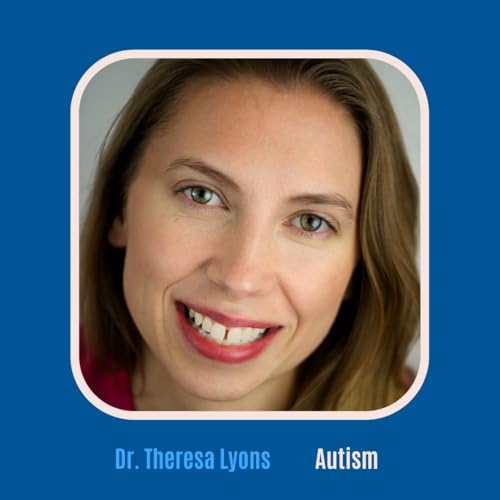
  • #80 The Expert's Guide to Autism: Diagnosis, Red Flags, and Evidence-Based Care
    Mar 16 2026

    In this episode we explore the complex world of autism spectrum disorder (ASD) in children, featuring practical guidance from Dr. Teresa Lyons, an autism expert, scientist, and parent of a child with autism.

    Dr. Theresa Lyons is an international autism educator, Ivy League-trained scientist, and autism parent. Dr. Lyons holds a Ph.D. from Yale and is the founder and CEO of Navigating AWEtism, a platform designed to turn complex autism science into clear, practical guidance for families.

    Dr. Lyons’ perspective is so powerful. She brings both rigorous scientific training and lived experience as the parent of a child with autism. She’s worked with families in more than 21 countries, helping parents move from fear and confusion to confidence and clarity.

    Key Topics Discussed:

    • What autism is and how it is diagnosed through observation on a spectrum
    • The influence of changing diagnostic criteria and rising awareness
    • Early signs and red flags for autism in infants and toddlers
    • The importance of differentiating misinformation from evidence-based practices
    • How families can prioritize support strategies tailored to their child's strengths
    • The role of collaboration between parents, professionals, and educators
    • Myths about autism, including misconceptions about listening and cognition
    • The connection between vaccines and autism, and how to approach medical decisions
    • Supporting parental mental health and managing emotional regulation
    • Scientific advances in identifying biomarkers and personalized interventions
    • Practical at-home steps for fostering communication and emotional stability

    Resources:

    Dr. Thersea Lyons’ LinkedIn

    Navigating AWEtism's Website

    Navigating AWEtism's YouTube Page

    Psychology Today

    Autism Speaks

    Connect With Us:

    Stay tuned for the next new episode of “It Happened To Me”! In the meantime, you can listen to our previous episodes on Apple Podcasts, Spotify, streaming on the website, or any other podcast player by searching, “It Happened To Me”.

    “It Happened To Me” is created and hosted by Cathy Gildenhorn and Beth Glassman. DNA Today’s Kira Dineen is our executive producer and marketing lead. Amanda Andreoli is our associate producer. Ashlyn Enokian is our graphic designer.

    See what else we are up to on Twitter, Instagram, Facebook, YouTube and our website, ItHappenedToMePod.com. Questions/inquiries can be sent to ItHappenedToMePod@gmail.com.

    Show More Show Less
    50 mins
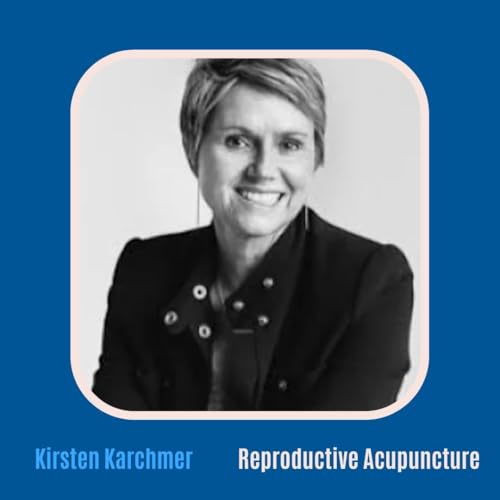
  • #79 How Acupuncture Can Support Fertility
    Mar 2 2026

    Discover how acupuncture, traditionally rooted in Chinese medicine, is transforming fertility care today. Join us as Kirsten Karshmer, a pioneer with over 20 years of experience, shares insights into how integrative practices and AI technology are making fertility treatment more accessible, personalized, and effective.

    In This Episode:

    • The science and philosophy behind reproductive acupuncture
    • How acupuncture can enhance ovulation and IVF outcomes
    • The emotional toll of infertility and managing stress
    • Innovations in fertility tech: AI-driven platforms for personalized care
    • Common misconceptions about fertility treatments
    • Practical tips for young girls to foster a healthy relationship with their bodies
    • The importance of shifting narratives: treating overall health, not just infertility

    Resources:

    Conceivable Technologies

    ABORM - a reproductive acupuncture resource

    “If Men Could Menstruate" By Gloria Steinem

    Connect With Us:

    Stay tuned for the next new episode of “It Happened To Me”! In the meantime, you can listen to our previous episodes on Apple Podcasts, Spotify, streaming on the website, or any other podcast player by searching, “It Happened To Me”.

    “It Happened To Me” is created and hosted by Cathy Gildenhorn and Beth Glassman. DNA Today’s Kira Dineen is our executive producer and marketing lead. Amanda Andreoli is our associate producer. Ashlyn Enokian is our graphic designer.

    See what else we are up to on Twitter, Instagram, Facebook, YouTube and our website, ItHappenedToMePod.com. Questions/inquiries can be sent to ItHappenedToMePod@gmail.com.

    Show More Show Less
    33 mins