The Strain of Worry: Mental Health in Transplant Survivorship cover art

The Strain of Worry: Mental Health in Transplant Survivorship

The Strain of Worry: Mental Health in Transplant Survivorship

Listen for free

View show details
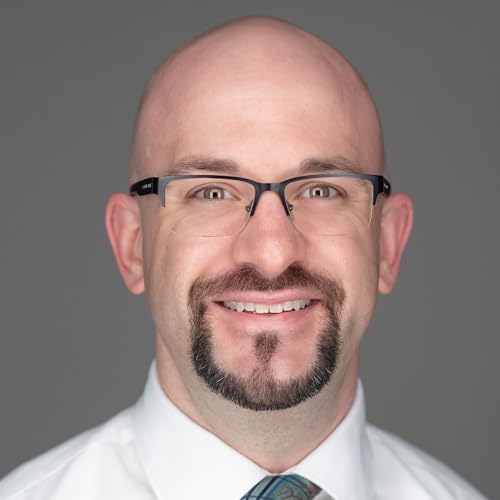
Today, Peggy talks with Daniel Gaylor, LCSW, OSW-C, ACHP-SW, and a social work supervisor at Moffitt Cancer Center, about what happens after patients and caregivers get through the intense treatment period and begin asking, “Now what?” Daniel explains that recovery does not mean life snaps back to normal. Survivorship brings fear, relief, hope, uncertainty, and exhaustion all at once. Those reactions are normal, and they deserve to be named. Daniel explains why post-traumatic stress disorder (PTSD) can show up after transplant. A transplant is not a routine treatment. It can involve long hospital stays, isolation, major physical side effects, and real fears about survival. When patients return for follow up visits, they may be brought back emotionally to those difficult hospital days. This can make survivorship feel complicated, even when the transplant was successful. Another key theme is slowly letting go. Patients may feel afraid to go out, socialize, eat in a restaurant, drive, or return to activities they once enjoyed. Daniel encourages survivors to start small and to be fair to the situation. It is easy to imagine the worst case. But it also helps to keep yourself honest - say out loud what could happen if things go well. The episode also addresses the “strain of worry.” Daniel describes signs of anxiety and depression, including sleep problems, racing thoughts, trouble concentrating, irritability, sadness, appetite changes, and not wanting to do things that usually bring joy. He reminds listeners that difficult days do not mean failure. Survivors should be able to say, “Today is not my best day,” and ask for help. Peggy and Daniel also talk about toxic positivity. While loved ones often mean well, phrases like “you’re lucky to be alive” can minimize a survivor’s fear or pain. Daniel encourages honest communication. Patients can thank loved ones for their support while also explaining what would help more. Social connection is another major part of healing. Daniel urges survivors and caregivers to increase connection and reduce isolation. A quick text, a short call, a support group, or a shared conversation can make a real difference. Peggy highlights programs where survivors can meet others who understand graft versus host disease (GVHD) and transplant recovery. Daniel closes with the idea of building a “tool belt.” Each person needs practical coping tools, whether that is a friend, music, journaling, counseling, mindfulness, a book, or a favorite place to reset. Caregivers need their own tool belts too. Transplant affects the whole support system, and survivorship works best when people communicate, ask for help, and remember they are not meant to do this alone. Links: Elephants and Tea: https://elephantsandtea.org/BMT InfoNet: https://bmtinfonet.org/Blood Cancer United: https://bloodcancerunited.org/ Thanks to this season's sponsors, Incyte and Sanofi. (00:00) Intro (01:01) Normalizing emotional reactions during recovery (04:22) PTSD after transplant and why it matters (08:59) Slowly letting go after transplant (13:12) Facing the worst case and choosing to move forward (13:53) The strain of worry and mental health red flags (19:31) Toxic positivity and the power of validation (20:26) How to talk with loved ones who are trying to help (22:39) Social health, connection, and friendship (26:43) Support groups, GVHD, and feeling understood (28:07) Building a survivorship "tool belt" (33:08) Why transplant never fully “stops” (36:39) A patient story about resilience and asking for help National Bone Marrow Transplant Link - (800) LINK-BMT, or (800) 546-5268.nbmtLINK Website: https://www.nbmtlink.org/Check out our valued nbmtLINK resource books, some for sale, some free as downloadable, https://www.nbmtlink.org/shop/nbmtLINK Facebook Page: https://www.facebook.com/nbmtLINKFollow the nbmtLINK on Instagram! https://www.instagram.com/nbmtlink/The nbmtLINK YouTube Page can be found by clicking here.This content is provided for informational purposes only and is not intended to substitute for professional medical advice, diagnosis, or treatment. It is crucial to consult directly with a qualified healthcare professional regarding any medical conditions, treatment options, or other health concerns.The views and opinions expressed by the speakers are their own and do not necessarily reflect the official policy or position of the nbmtLINK. Unless otherwise stated in an official policy, the nbmtLINK does not endorse any specific treatments, products, or services mentioned by the speakers. Reliance on any information provided is solely at your own risk.The Marrow Masters Podcast is produced by JAG Podcast Productions: https://jagpodcastproductions.com/ Hosted by Simplecast, an AdsWizz company. See pcm.adswizz.com for information about our collection and use of personal data for advertising.
adbl_web_anon_alc_button_suppression_c
No reviews yet