• 698. The Civilian Spies Who Helped America Win the Revolution
    Jun 16 2026

    Two ordinary civilians — a New York tailor and an enslaved man from Virginia — used their everyday roles to outsmart the British and change the course of the American Revolution.

    In this episode of The Way the World Works, we tell the stories of two civilian spies who helped America win independence without ever joining the army. Hercules Mulligan, a tailor in British-occupied New York, used the gossip of careless officers to pass intelligence to George Washington — and quite possibly saved Washington's life. James Armistead Lafayette, an enslaved man from Virginia, infiltrated the British command as a double agent and supplied the intelligence that turned the tide at the Battle of Yorktown. Both men proved that liberty is won by ordinary people doing courageous things in the place they happen to stand.

    What You'll Learn in This Episode:

    • Why the American Revolution was won by ordinary people, not just famous Founders

    • How Hercules Mulligan used his tailor shop in occupied New York to gather British intelligence

    • How Mulligan's listening saved George Washington from a planned capture

    • Who James Armistead Lafayette was and how he became a double agent for the Continental Army

    • How James's intelligence helped trap General Cornwallis at the Battle of Yorktown

    • The Marquis de Lafayette's role in securing James's freedom after the war

    • Why James took the last name "Lafayette" as a tribute

    • What these unsung heroes teach us about courage, liberty, and America 250

    Timestamps:

    0:00 The Unsung Heroes of the American Revolution

    1:18 Introducing the Civilian Spies of the Revolution

    1:36 Hercules Mulligan: The Tailor Who Listened

    3:07 Why Being Underestimated Was His Superpower

    4:59 How Mulligan Saved George Washington's Life

    6:19 James Armistead Lafayette: The Double Agent

    7:09 Going Undercover with the British Army

    8:10 The Marquis de Lafayette Connection

    9:12 Turning the Tide at the Battle of Yorktown

    10:28 Denied Freedom After Helping Win the War

    11:18 Lafayette Goes to Bat for His Friend

    12:05 Congress Grants James His Freedom

    12:36 What These Stories Teach Us About America 250

    👍 Like this video if you love stories about the unsung heroes of American history

    🔔 Subscribe for more stories about liberty, courage, and the people who shaped America

    💬 Comment below: Which of these two spies' stories surprised you the most?

    Shop Resources:

    📘 Explore the people, ideas, and events that shaped America in The Tuttle Twins America's History Volume 1 & 2 Bundle: https://www.tuttletwins.com/products/americas-history-volume-1-2-bundle

    📘 Learn about courage and the heroes who defied the odds in The Tuttle Twins and the Search for Atlas: https://www.tuttletwins.com/products/the-tuttle-twins-and-the-search-for-atlas

    📚 Get Tuttle Twins books and homeschool resources: https://tuttletwins.com

    #AmericanRevolution #RevolutionaryWar #HerculesMulligan #JamesArmisteadLafayette #UnsungHeroes #BattleOfYorktown #MarquisDeLafayette #America250 #AmericanHistory #TuttleTwins #LibertarianHistory #FoundingFathers

    Show More Show Less
    13 mins
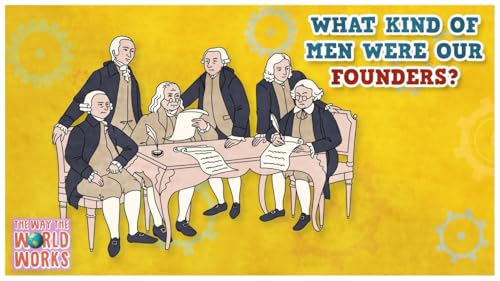
  • 697. Why Was Moral Character So Important to the Founding Fathers?
    Jun 11 2026

    America's founders believed a free society could only survive if its people practiced self-control, integrity, personal responsibility, and virtue.

    The Founding Fathers didn't believe freedom meant doing whatever you wanted without consequences. Leaders like George Washington, John Adams, Benjamin Franklin, and Thomas Jefferson understood that liberty requires strong moral character — because if individuals cannot govern themselves, government will eventually step in to govern them.

    In this episode of The Way the World Works, we explore why character was so central to America's founding. From John Adams' belief that laws cannot save a society without virtue, to George Washington's discipline and leadership, to Benjamin Franklin's daily pursuit of self-improvement, we look at how the founders connected freedom with responsibility.

    A free country depends on more than good laws — it depends on people who are willing to do what is right, keep their word, control their impulses, and stand on principle.

    What You'll Learn in This Episode:
    • Why moral character mattered so much to the Founding Fathers
    • How personal responsibility supports a free society
    • What self-control, integrity, and moral independence mean
    • Why John Adams believed virtue was essential to liberty
    • How George Washington, Benjamin Franklin, and Thomas Jefferson practiced self-improvement
    • Why self-discipline matters more than government control
    Timestamps:

    0:00 Why Character Matters in a Free Society
    2:00 What Does It Mean to Build Character?
    4:00 Self-Control, Integrity, and Moral Independence
    6:30 John Adams and the Importance of Virtue
    9:00 George Washington's Discipline and Leadership
    11:30 Benjamin Franklin's 13 Virtues
    14:00 Thomas Jefferson, Education, and Moral Reasoning
    16:30 Why Self-Discipline Protects Freedom

    👍 Like this video if you believe freedom requires responsibility
    🔔 Subscribe for more values-based conversations about history, liberty, and character
    💬 Comment below: Which character trait do you think matters most in a free society?

    Shop Resources:

    📘 Learn more about personal responsibility, self-discipline, and character in
    The Tuttle Twins and the 12 Rules Boot Camp
    https://www.tuttletwins.com/products/the-tuttle-twins-and-the-12-rules-boot-camp

    📘 Explore the people, ideas, and events that shaped America in
    The Tuttle Twins America's History Volume 1 & 2 Bundle
    https://www.tuttletwins.com/products/americas-history-volume-1-2-bundle

    📚 Get Tuttle Twins books and homeschool resources:
    https://tuttletwins.com

    Tags:

    #MoralCharacter #FoundingFathers #GeorgeWashington #JohnAdams #PersonalResponsibility #SelfDiscipline #AmericanHistory #ValuesEducation

    Show More Show Less
    13 mins
  • 696. Who Was Deborah Sampson? The Girl Who Disguised Herself to Fight in the Revolution
    Jun 9 2026

    When women weren't allowed to serve in the army, Deborah Sampson risked everything to fight for American independence anyway.

    Deborah Sampson was one of the most remarkable unsung heroes of the American Revolution. Born in Massachusetts and raised through hardship, she grew up strong, determined, and deeply committed to the cause of liberty. But because women were not allowed to serve as soldiers, she made a bold decision: she disguised herself as a man and enlisted under the name Robert Shurtleff.

    In this episode of The Way the World Works, we tell the incredible true story of Deborah Sampson's courage, sacrifice, and determination. She fought in combat, endured battlefield wounds, removed a bullet from her own leg to protect her secret, and served for more than a year before her identity was discovered. Even after being sent home, her bravery was honored — and she became the only woman to receive a full military pension for serving in the Revolutionary War.

    Her story reminds us that courage means standing up for what you believe in, even when the rules say you can't.

    What You'll Learn in This Episode:
    • Who Deborah Sampson was and why her story matters
    • Why women were not allowed to serve as soldiers during the Revolution
    • How Deborah disguised herself and enlisted in the army
    • What she endured while fighting for American independence
    • Why her courage earned recognition after the war
    • How her story shows sacrifice, bravery, and love of liberty
    Timestamps:

    0:00 An Unsung Hero of the Revolutionary War
    1:30 Who Was Deborah Sampson?
    3:30 From Hardship to Strength
    5:30 Why She Joined the Army in Disguise
    7:30 Fighting as Robert Shurtleff
    9:30 Wounded in Battle
    11:30 How Her Secret Was Discovered
    13:30 Deborah Sampson's Honorable Discharge
    15:00 Her Life After the War
    16:30 Why Her Courage Still Matters

    👍 Like this video if you believe courage can change history
    🔔 Subscribe for more values-based conversations about American history, liberty, and character
    💬 Comment below: Would you have been brave enough to do what Deborah Sampson did?

    Shop Resources:

    📘 Learn more about the people, ideas, and events that shaped America in
    The Tuttle Twins America's History Volume 1 & 2 Bundle
    https://www.tuttletwins.com/products/americas-history-volume-1-2-bundle

    📚 Get Tuttle Twins books and homeschool resources:
    https://tuttletwins.com

    Tags:

    #DeborahSampson #AmericanRevolution #RevolutionaryWar #WomenInHistory #AmericanHistory #Liberty #Courage #ValuesEducation

    Show More Show Less
    10 mins
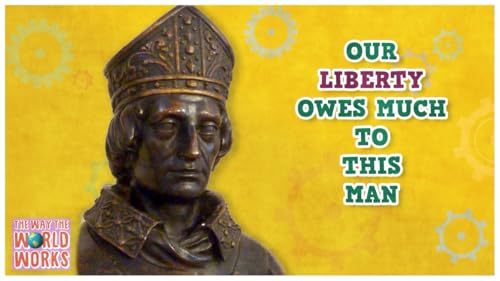
  • 695. Who Was Stephen Langton? The Man Who Told a King "No" and Helped Shape Magna Carta
    Jun 4 2026

    One courageous scholar helped remind the world that even kings must live under the rule of law.

    Stephen Langton may not be a household name, but his courage and conviction helped change the limits of power forever. As Archbishop of Canterbury, Langton refused to become a pawn of King John and later helped give the barons the language, ideas, and moral clarity they needed to stand against the king's abuse of power.

    In this episode of The Way the World Works, we tell the story of Stephen Langton, King John, and the events that helped lead to Magna Carta in 1215. We explore how Langton's commitment to truth, limited government, and the rule of law helped shape one of the most important documents in human history — a document that would later influence the Declaration of Independence, the Constitution, and the idea that rulers are not above the law.

    Sometimes changing history doesn't require a sword. Sometimes it starts with the courage to speak the truth.

    What You'll Learn in This Episode:
    • Who Stephen Langton was and why his story matters
    • Why King John was such a dangerous and abusive ruler
    • How Magna Carta helped limit the power of kings
    • Why the rule of law matters for liberty
    • How ideas, words, and courage can change history
    Timestamps:

    0:00 Why Magna Carta Still Matters
    1:30 Who Was Stephen Langton?
    3:30 King John and the Abuse of Power
    6:00 Why Langton Refused to Be the King's Pawn
    8:30 Returning From Exile
    10:30 The Road to Magna Carta
    12:30 The Rule of Law Explained
    15:00 How Langton Helped the Barons Stand Firm
    17:30 Why Courageous Ideas Matter

    👍 Like this video if you believe no ruler should be above the law
    🔔 Subscribe for more values-based conversations about history, liberty, and courage
    💬 Comment below: Why do you think Magna Carta still matters today?

    Shop Resources:

    📘 Learn more about Stephen Langton and other courageous heroes who changed history in
    The Tuttle Twins Guide to Courageous Heroes
    https://www.tuttletwins.com/products/the-tuttle-twins-guide-to-courageous-heroes

    📚 Get Tuttle Twins books and homeschool resources:
    https://tuttletwins.com

    Tags:

    #StephenLangton #MagnaCarta #KingJohn #RuleOfLaw #LimitedGovernment #CourageousHeroes #Liberty #ValuesEducation

    Show More Show Less
    11 mins
  • 694. Who Was Frédéric Bastiat? The Law, Liberty, and the Proper Role of Government
    Jun 2 2026

    When government stops protecting our rights and starts violating them, the law becomes a weapon instead of a shield.

    Frédéric Bastiat was a French economist and writer whose timeless essay The Law remains one of the clearest defenses of liberty, property rights, and limited government. His central question was simple but powerful: What is the law actually supposed to do?

    In this episode of The Way the World Works, we explore Bastiat's argument that the law should protect life, liberty, and property — not control people's lives, redistribute wealth, or give government permission to do things individuals could never morally do themselves. We break down his warning against "legal plunder," the idea that government can disguise theft as law, and explain why bad laws shrink freedom even when they claim to help.

    If something is wrong for an individual to do, why would it suddenly become right when government does it?

    What You'll Learn in This Episode:
    • Who Frédéric Bastiat was and why his ideas still matter
    • What The Law teaches about life, liberty, and property
    • Why the law should be a shield, not a sword
    • What Bastiat meant by "legal plunder"
    • How bad laws can violate rights while claiming to protect people
    • Why good ideas are the best way to fight bad laws
    Timestamps:

    0:00 Who Was Frédéric Bastiat?
    2:00 Why The Law Matters
    4:30 What Is the Proper Role of Government?
    6:30 Life, Liberty, and Property
    8:30 The Law as a Shield, Not a Sword
    10:30 What Is Legal Plunder?
    13:30 How to Spot a Bad Law
    16:00 Fighting Bad Laws With Better Ideas

    👍 Like this video if you believe government should protect rights — not violate them
    🔔 Subscribe for more values-based conversations about liberty, economics, and government
    💬 Comment below: What do you think the law is supposed to do?

    Shop Resources:

    📘 Learn more about Frédéric Bastiat's ideas on law, liberty, and government in
    The Tuttle Twins Learn About The Law
    https://www.tuttletwins.com/products/the-tuttle-twins-learn-about-the-law

    📚 Get Tuttle Twins books and homeschool resources:
    https://tuttletwins.com

    Tags:

    #FredericBastiat #TheLaw #Liberty #PropertyRights #LimitedGovernment #LegalPlunder #Economics #ValuesEducation

    Show More Show Less
    15 mins
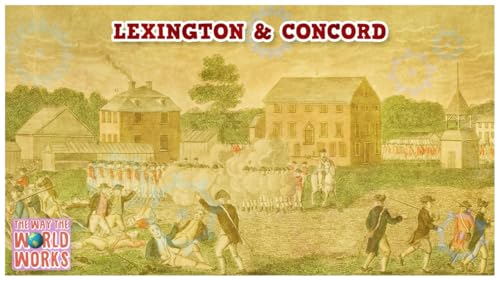
  • 693. Why Was Lexington and Concord So Important? The Shot Heard Around the World
    May 26 2026

    The Revolutionary War didn't begin with the Declaration of Independence. It began more than a year earlier when ordinary colonists stood up to the most powerful army in the world.

    In April 1775, tensions between the American colonies and the British Crown finally erupted in Massachusetts at Lexington and Concord. Long before the Declaration was signed, colonists had already been resisting British taxes, restrictions, and military pressure, and the British believed they could crush the rebellion before it truly began.

    In this episode of The Way the World Works, we explain why Lexington and Concord became one of the most important moments in American history. We break down why British soldiers marched toward Lexington, why they wanted to arrest Samuel Adams and John Hancock, how colonial information networks warned the militias, and why the "shot heard around the world" marked the beginning of the Revolutionary War.

    The British underestimated the courage, organization, and determination of ordinary Americans, and that mistake changed history.

    What You'll Learn in This Episode:
    • Why Lexington and Concord happened before the Declaration of Independence
    • What the British hoped to accomplish in Massachusetts
    • Why Samuel Adams and John Hancock were targets
    • How Paul Revere and colonial messengers helped warn the militias
    • What "the shot heard around the world" really means
    • Why the colonists' victory at Concord mattered so much
    Timestamps:

    0:00 America 250 and Revolutionary War History
    2:00 What Was Lexington and Concord?
    4:00 Why Massachusetts Was Ground Zero
    6:00 The British Plan to Stop the Rebellion
    8:30 Minutemen, Militias, and Local Resistance
    11:00 Paul Revere and the Warning System
    14:00 The Shot Heard Around the World
    16:30 What Happened at Concord
    19:00 Why Lexington and Concord Changed History

    👍 Like this video if you believe ordinary people can change history
    🔔 Subscribe for more values-based conversations about American history and liberty
    💬 Comment below: What moment from the American Revolution inspires you most?

    Shop Resources:

    📘 Learn more about the people, ideas, and events that shaped America in
    The Tuttle Twins America's History Volume 1 & 2 Bundle
    https://www.tuttletwins.com/products/americas-history-volume-1-2-bundle

    📚 Get Tuttle Twins books and homeschool resources:
    https://tuttletwins.com

    Tags:

    #LexingtonAndConcord #ShotHeardRoundTheWorld #AmericanRevolution #RevolutionaryWar #America250 #AmericanHistory #Liberty #ValuesEducation

    Show More Show Less
    17 mins
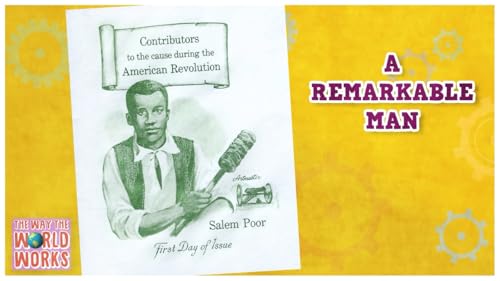
  • 692. Who Was Salem Poor? The Forgotten Revolutionary War Hero Who Fought for Liberty
    May 21 2026

    The American Revolution was shaped not only by famous founders, but also by brave, often-overlooked heroes who risked everything for the cause of freedom.

    You've probably never heard of Salem Poor, but his courage at the Battle of Bunker Hill made him one of the most remarkable unsung heroes of the Revolutionary War. Born into slavery in Massachusetts in 1747, Salem worked hard, saved money, and purchased his own freedom before later choosing to fight for the American cause.

    In this episode of The Way the World Works, we tell the story of a man who had already fought for his own liberty and then risked his life to help secure liberty for others. During the chaos of Bunker Hill, Salem Poor showed extraordinary bravery, helping fellow soldiers retreat under fire and earning the rare recognition of 14 officers who petitioned for him to be honored.

    His story reminds us that merit, courage, and character can shine even in a world filled with prejudice and inequality.

    What You'll Learn in This Episode:
    • Who Salem Poor was and why his story matters
    • How he purchased his own freedom before the Revolutionary War
    • Why thousands of Black patriots fought in the American Revolution
    • What Salem Poor did at the Battle of Bunker Hill
    • How merit and courage helped challenge prejudice on the battlefield
    Timestamps:

    0:00 An Unsung Hero of the Revolutionary War
    1:30 Salem Poor's Early Life and Freedom
    3:30 Why He Joined the American Cause
    5:30 Black Patriots in the Revolutionary War
    7:00 The Battle of Bunker Hill
    9:30 Salem Poor's Bravery Under Fire
    12:00 Why 14 Officers Petitioned to Honor Him
    14:00 Merit, Courage, and Changing Hearts

    👍 Like this video if you believe forgotten heroes deserve to be remembered
    🔔 Subscribe for more values-based conversations about history, liberty, and courage
    💬 Comment below: What Revolutionary War hero should more people know about?

    Shop Resources:

    📘 Learn more about merit, character, and why achievement matters in
    The Tuttle Twins and the Medals of Merit
    https://www.tuttletwins.com/products/the-tuttle-twins-and-the-medals-of-merit

    📚 Get Tuttle Twins books and homeschool resources:
    https://tuttletwins.com

    Tags:

    #SalemPoor #RevolutionaryWar #AmericanHistory #BattleOfBunkerHill #BlackPatriots #Liberty #Courage #ValuesEducation

    Show More Show Less
    9 mins
  • 691. How to Write a Letter to the Editor and Enter the Tuttle Twins America 250 Contest
    May 19 2026

    Kids can use persuasive writing, local newspapers, and their own ideas to help celebrate America's 250th birthday in a meaningful way.

    Did you know kids can get published in real newspapers? A letter to the editor is a short opinion piece submitted to a local newspaper or news outlet, giving readers the chance to share their thoughts on important issues in their community or country.

    In this episode of The Way the World Works, we explain how letters to the editor work, why they've been an important part of American civic life since the founding era, and how kids can use writing to organize big ideas, make strong arguments, and participate in public conversation. We also share the story of Benjamin Franklin writing letters under the name Silence Dogood, proving that young people have always had powerful ideas worth sharing.

    Then we introduce the new Tuttle Twins Letter to the Editor Contest for America's 250th birthday, where kids can write about what America 250 means to them, submit their letter to a local newspaper, and enter for a chance to win prizes — including American history books donated to their library and a grand prize family trip to Charleston, South Carolina.

    When kids learn to write clearly and courageously, they don't just practice communication — they become part of the American tradition of sharing ideas.

    What You'll Learn in This Episode:
    • What a letter to the editor is and how it works
    • Why newspapers publish opinions from regular readers
    • How Benjamin Franklin used letters to share his ideas
    • Why writing helps organize thoughts and build persuasion
    • How to enter the Tuttle Twins America 250 Letter to the Editor Contest
    • Tips for writing a strong, respectful, and publishable letter
    Timestamps:

    0:00 Could You Get Published in a Newspaper?
    2:00 What Is a Letter to the Editor?
    4:00 Why Letters to the Editor Matter in American History
    5:30 Benjamin Franklin and Silence Dogood
    7:30 Why Writing Makes Your Ideas Stronger
    10:30 Introducing the America 250 Letter to the Editor Contest
    13:00 Contest Prizes and Charleston Grand Prize
    15:00 How to Submit Your Letter
    17:00 Tips for Writing a Strong Letter

    👍 Like this video if you believe kids have ideas worth sharing
    🔔 Subscribe for more values-based conversations about history, writing, and civic responsibility
    💬 Comment below: What does America 250 mean to you?

    Shop Resources:

    📘 Learn more about the ideas, events, and people that shaped America in
    The Tuttle Twins America's History Volume 3
    https://www.tuttletwins.com/products/americas-history-volume-3

    📚 Get Tuttle Twins books and homeschool resources:
    https://tuttletwins.com

    Tags:

    #LetterToTheEditor #America250 #TuttleTwins #PersuasiveWriting #CivicEducation #AmericanHistory #KidsWriting #ValuesEducation

    Show More Show Less
    13 mins