irRational cover art

irRational

irRational

By: Kurt Parks
Listen for free

Hosted by Kurt Parks, irRational is a podcast designed to bring people of opposing viewpoints together — not to argue, but to understand. Each episode explores complex topics that divide opinion, from politics and culture to religion, science, and identity.

Our goal is simple: to create space for honest, intelligent, and respectful dialogue in a world that often rewards outrage over understanding. We ask the tough questions — Is faith irrational? Should Canada become a republic? Is AI a public right or private power? — and invite guests from different backgrounds to challenge ideas, not people.

If you believe curiosity, civility, and critical thinking still matter, join the conversation.

2025 Kurt Parks
Relationships Science Social Sciences
Episodes
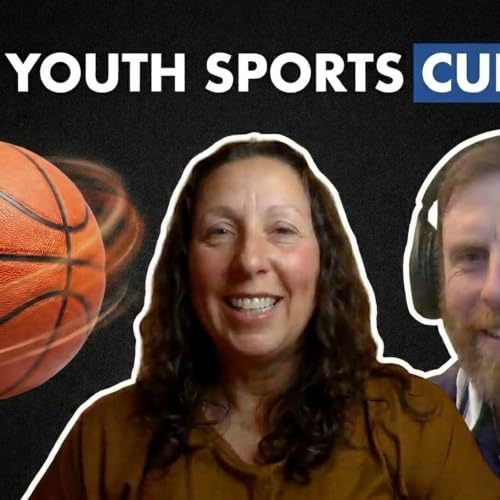
  • Youth Sports: Character Builder or Pressure Cooker
    Jun 15 2026
    Key topics:
    • The true objectives of youth involvement in sports
    • The impact of organized versus free play in developing skills and social bonds.
    • How commercialization and professional aspirations are shifting the focus away from intrinsic enjoyment.
    • The dangers of early specialization and over-organization in youth sports.
    • Strategies for communities to promote accessible, inclusive, and balanced physical activity.
    • The importance of fostering resilience, humility, and sportsmanship without undue pressure.
    • Support for underprivileged athletes and overcoming financial barriers.
    • The vital role of family, coaches, and schools in nurturing healthy sports experiences.
    • The significance of unstructured play in developing leadership, problem-solving, and confidence.
    • Recognizing signs of mental health strain and creating conversations around emotional well-being.
    Timestamps:


    01:13 - Goals of youth sports: Character, fun, fitness?
    02:27 - The importance of play and skill development in sports
    03:36 - Balancing organized sports with free play opportunities
    04:51 - The impact of commercialization
    06:39 - Street games versus academy-style training
    08:19 - The role of informal play and community improvisation
    09:29 - Pressure points in competitive youth sports
    10:24 - When does character-building turn into undue performance pressure?
    11:27 - Achieving healthy competition without pushing kids too hard
    12:57 - Equity, accessibility, and community support
    16:23 - Building inclusive sports environments for all
    18:50 - The importance of volunteerism and community involvement
    20:33 - Supporting talented athletes from remote or less privileged areas
    23:02 - The risks of overemphasis on elite development and early specialization
    28:02 - Community initiatives and the power of unstructured outdoor play
    34:23 - Parental involvement: supporting vs pressuring kids in sport
    37:15 - Encouraging children's passion without living vicariously
    41:55 - Recognizing and addressing mental health in young athletes
    56:44 - The synergy of community sports festivals and organized leagues

    Resources & Links:
    • Justin MacCurdy's Children's Books
    • MacCurdy Farm
    • Hub de la Baie – Local Community Business
    • New Bean Nation – Fresh Coffee Subscription
    • Canadian Sports Development and Community Resources
    Final notes:

    This episode emphasizes that nurturing children's growth through sports is about more than winning—it's about community, resilience, and letting kids enjoy the journey. Parents, coaches, and communities all play an essential role in creating a balanced environment where children can thrive physically, emotionally, and socially.

    Show More Show Less
    1 hr and 3 mins
  • Free Speech: Who Gets to Say What you Can Say?
    May 15 2026

    The Future of Free Speech: Navigating Morality, Law, and Society

    Join host Kurt Parks for a thoughtful conversation on the state of free speech with Barbara Kay and Rupa Subramanya. This episode explores how freedom of expression is being shaped—not just by law, but by culture, institutions, and shifting social norms.

    Together, they examine whether free speech is merely a legal protection or a deeper moral principle—and what happens when those two come into tension.

    Key Topics:
    • What free speech means beyond legal definitions
    • Free speech as a human right vs. a social or moral construct
    • Western values and emerging cultural pressures
    • Individual autonomy vs. societal regulation
    • The role of media, universities, and corporations
    • “Settled ideas” and the rise of ideological conformity
    • Cancel culture and informal censorship
    • Differences between U.S. and Canadian frameworks
    • Compelled speech and government influence
    • Social media’s impact on public discourse
    • The importance of resisting both legal and social suppression

    Timestamps:
    00:00 Introduction
    01:03 Barbara Kay’s perspective
    01:29 Rupa Subramanya’s background
    02:50 Defining free speech
    05:25 Western foundations
    07:18 Autonomy vs. society
    09:42 Institutional trust
    12:19 Cancel culture & conformity
    15:16 Modern complexity
    20:03 Online restrictions
    23:55 Law vs. morality
    26:20 U.S. vs. Canada
    28:35 Compelled speech
    30:12 Campus culture
    34:28 Canadian legal risks
    39:23 Institutional pressure
    43:24 Legal overreach cases
    51:33 Accountability vs. suppression
    52:26 Final reflections

    Resources & Links:
    Canadian Charter of Rights and Freedoms
    Jordan Peterson (2016 Pronoun Lecture)
    Canadian Human Rights Tribunal
    Online Harms / Misinformation Bill (Canada)
    U.S. First Amendment

    Connect with our guests on X:
    Barbara Kay
    Rupa Subramanya


    #FreeSpeech #Censorship #HumanRights #PublicDiscourse #CancelCulture #CompelledSpeech #Podcast

    Show More Show Less
    1 hr and 18 mins
  • Canada: Royalty or Republic?
    Apr 15 2026

    Explore the nuanced debate about Canada's future: should it maintain its constitutional monarchy or transition to a republic? This episode brings together diverse perspectives, addressing symbolism, stability, indigenous treaties, and the broader national identity.

    Key topics:
    • The significance of symbolism: British legacy versus Canadian identity
    • The role of the monarchy in Canadian governance and stability
    • Indigenous treaties and the Crown's historical and contemporary role
    • Challenges and barriers to constitutional change
    • Potential models for a Canadian republic
    • The cultural costs and benefits of both approaches
    Timestamps:

    02:05 - Misconceptions about constitutional monarchy
    04:52 - The real role of the Crown today
    08:07 - Limiting factors of hereditary monarchy and potential transition benefits
    14:39 - Arguments about stability and non-partisanship
    16:35 - Symbolism, national identity, and the British legacy
    23:16 - Evolving Canadian symbols and national identity
    28:33 - Our international perception as a nation
    36:50 - Indigenous treaties and the Crown’s role
    42:36 - Potential systems for choosing a head of state in a republic
    50:36 - The power of symbolism and national cohesion
    66:45 - Public engagement
    85:09 - The cultural, historical and emotional costs of change
    94:44 - The role of tradition and identity
    104:40 - The hypothetical "what-ifs"

    Resources & Links:
    • Citizens for Canadian Republic
    • Monarchist League of Canada
    • The Secret of the Crown by John Fraser
    • The Governor General: The Gatekeeper of the Canadian Crown
    • The Office of the Governor General of Canada
    • The Commonwealth of Nations
    Connect with the speakers:
    • Jamie Bradley - LinkedIn | Twitter
    • Barry McKenzie - LinkedIn | Twitter
    Show More Show Less
    1 hr and 44 mins
adbl_web_anon_alc_button_suppression_t1
No reviews yet