Marrow Masters cover art

Marrow Masters

Marrow Masters

By: The National Bone Marrow Transplant Link
Listen for free

This podcast series educates patients, caregivers, and health care professionals regarding important topics as they relate to bone marrow/stem cell transplant and CAR-T Cellular Therapy. Season 20 highlights survivorship issues, including GVHD, isolation and more. Season 19 focuses on thriving despite Chronic Graft vs Host Disease, or cGVHD. Season 18 focuses on the incredible know how needed for caregivers, who make transplantation possible. Season 17 covers AYAs and the unique ways they navigate transplantation and survivorship. Season 16 focuses on GVHD and best tips from health care professionals. Season 15 covers CAR T-Cellular Therapy while Season 14 focuses on the parts of GVHD we don’t often talk about. Season 13, takes a deep dive into many of the side effects survivors and caregivers handle post-transplant. Season 12 answers the critical question of "I'm Home, Now What?" Season 11 covers survivors who are thriving. Season 10 covers Graft Versus Host Disease (GVHD) focusing on hope and inspiration. Season 9 covers incredible tips before, during and after transplant--things folks wish they had known. Season 8 covers All Things Related to Clinical Trials. Seasons 7 and 6 focus on important topics related to Graft Versus Host Disease (GVHD). In earlier seasons, we covered all things survivorship (Season 5), the caregiver perspective (Season 4), the patient perspective (Season 3), busting marrow myths (Season 2), and chronic GVHD (Season 1). With more than 37,000 downloads today, we are so thrilled to offer these podcasts.2019-2026 nbmtLINK Hygiene & Healthy Living Physical Illness & Disease
Episodes
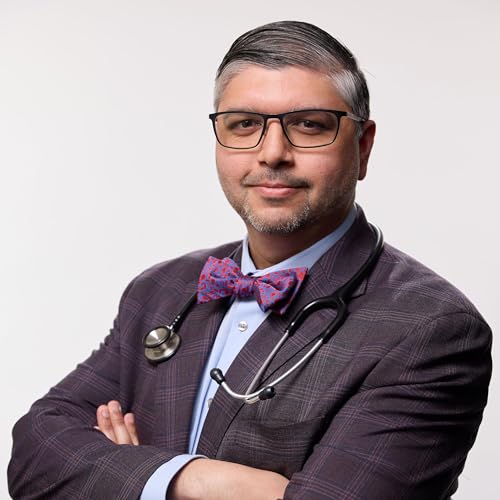
  • The Medical Side of Transplant Survivorship - Dr. Amar Kelkar
    May 27 2026
    Today, Peggy Burkhard talks with Dr. Amar Kelkar of the Dana-Farber Cancer Institute about the medical side of survivorship after bone marrow, stem cell, or CAR-T transplant. The conversation begins with the important shift from the urgent “save my life” phase to the longer “protect my health” phase. Dr. Kelkar explains that this transition often starts around the 100-day mark, though timing varies by transplant center, geographical region and patient needs. A major theme is the need to restart routine care that may have been paused during transplant. Dental care, dermatology, ophthalmology, and primary care all become important again. Dental visits are especially important because oral graft-versus-host disease (GVHD) can cause dry mouth, irritation, cavities, and other problems. Skin checks matter because transplant can increase the risk of skin cancers. Dr. Kelkar stresses annual dermatology visits, sun protection, SPF 50 or higher, protective clothing, and smart decisions about sun exposure. Fatigue is another central topic. Dr. Kelkar describes post-transplant fatigue as different from normal tiredness. It can feel deep, physical, and mental, and it may last for months or even years. He encourages patients to pace themselves, listen to their bodies, and build activity back slowly. Returning to work also needs to be individualized. Some patients work remotely during treatment, while others may need extended disability or a gradual return. The episode also covers immune recovery and repeat vaccinations. Dr. Kelkar explains that after transplant, the immune system has been reset, and many childhood vaccines need to be repeated. Most programs begin revaccination around six, nine, or 12 months, depending on immune suppression and other factors. He reassures listeners that many patients have fewer vaccine symptoms early on because their immune systems are still rebuilding. Dr. Kelkar also reviews long-term screening and prevention. Survivors need routine cancer screenings, including mammograms, colonoscopies, lung cancer screening when appropriate, skin exams, and monitoring for thyroid or other changes. Metabolic health is also important. Steroids can affect blood sugar, transplant can change body composition, and quick weight loss often includes muscle loss. Nutrition support and exercise programs can help, and Peggy notes that Blood Cancer United offers nutrition services for patients and caregivers. Blood Cancer United’s nutrition program provides free one-on-one consultations with oncology dietitians by phone or email. Bone health, hormone changes, sexual health, and early aging are also discussed. Dr. Kelkar explains that steroids, menopause, testosterone changes, vitamin D deficiency, and time indoors can affect bones. Many centers use DEXA scans and vitamin D supplementation. He also encourages patients to bring up sexual health concerns, including menopause symptoms, low testosterone, pain with intercourse, ulcers, or fear about resuming intimacy. The episode closes with practical advice for everyday life. Food restrictions often loosen around 100 days, but patients should reintroduce foods slowly and carefully. Raw foods, alcohol, tobacco, and inhaled smoke should generally be avoided, especially during the first year. Dr. Kelkar also emphasizes mental health support, counseling, and honest conversations with the medical team. Survivorship is a bumpy road, but the goal is to help patients regain control and thrive. Blood Cancer United Nutrition Offerings: https://bloodcancerunited.org/blood-cancer-care/adults/food-nutrition Thanks to this season's sponsors, Incyte and Sanofi. (00:00) Intro (01:16) Moving from acute treatment to survivorship (02:17) Dental, dermatology, ophthalmology, and routine care (05:45) Fatigue after transplant versus normal tiredness (08:35) Pacing yourself and avoiding setbacks (10:26) Returning to work after transplant (12:24) Resetting the immune system and repeat vaccinations (16:07) Secondary malignancy prevention and cancer screenings (18:59) Sun protection and skin cancer prevention (20:23) Metabolic health, blood sugar, and weight management (23:58) Bone health, vitamin D, DEXA scans, and early aging (29:32) Sexual health and hormonal changes (32:43) Everyday living after transplant (36:07) Psychological and cognitive hurdles in survivorship (38:16) Pulmonary function tests and liver monitoring (40:42) Closing thoughts National Bone Marrow Transplant Link - (800) LINK-BMT, or (800) 546-5268.nbmtLINK Website: https://www.nbmtlink.org/Check out our valued nbmtLINK resource books, some for sale, some free as downloadable, https://www.nbmtlink.org/shop/nbmtLINK Facebook Page: https://www.facebook.com/nbmtLINKFollow the nbmtLINK on Instagram! https://www.instagram.com/nbmtlink/The nbmtLINK YouTube Page can be found by clicking here.This content is provided for informational purposes only and is not intended to substitute for professional medical advice, ...
    Show More Show Less
    42 mins
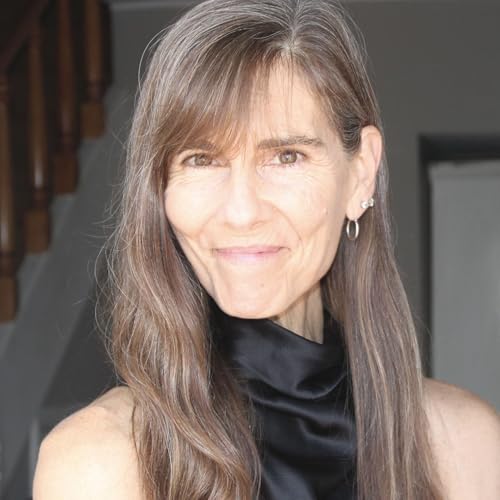
  • Caregivers Need Care Too - With Ashlee Cramer
    May 27 2026
    In this episode of Marrow Masters, Peggy Burkhard talks with caregiver Ashlee Cramer about what caregiving really looks like during cancer, bone marrow transplant, and survivorship. Ashlee shares the story of her son Michael, who was diagnosed in 2020 with hepatosplenic T-cell lymphoma. Their family had already lived through cancer once before, when Ashlee’s husband Patrice was diagnosed with large B-cell lymphoma in 2014 and later died at home in hospice, surrounded by his family. Ashlee explains that caregiving is often misunderstood. Caregivers are not saints who always feel strong, positive, or ready. Many are scared, exhausted, grieving, and trying to manage jobs, children, finances, appointments, medications, and the emotional weight of watching someone they love suffer. She says caregivers often feel pressure to do everything alone, but that pressure can lead to burnout and isolation. The conversation focuses on the reality that caregiving is not always temporary or predictable. For Michael, treatment moved quickly from diagnosis to hospitalization to transplant. He received a stem cell transplant from an anonymous donor, went into remission, and then developed serious complications, including engraftment syndrome, acute graft versus host disease (GVHD) , and chronic GVHD. Ashlee says Michael is a miracle, and while GVHD remains part of his life, the key word is living. Ashlee also talks about mental health for caregivers. She names anxiety, depression, post-traumatic stress disorder (PTSD), burnout, and loneliness as common experiences. She points out that many cancer centers offer support for patients, but caregivers often have to search for help on their own. Support groups, virtual programs, and caregiver resources can make a major difference because connection helps people feel less alone. A central message of the episode is that caregivers need care too. Ashlee encourages caregivers to take small pockets of peace when they cannot take a full day away. A shower, a breathwork practice, a walk outside, a cup of coffee, or a short hug from another caregiver can help. She also reminds caregivers to accept help. A meal train, a friend waiting in the hospital lobby, or someone offering a few minutes of support can ease the load. The episode ends with hope. Ashlee talks about post-traumatic growth, or PTG, and the idea that people do not have to bounce back to who they were before trauma. They can bounce forward. Michael and Ashlee continue to advocate, share their story through their podcast Michael and Mom Talk Cancer, and remind other caregivers that they are not alone. Thanks to this season's sponsors, Incyte and Sanofi. (00:00 Intro (04:05) Misconceptions about caregiving and why caregivers are not saints (05:30) Why caregivers should not be expected to do everything alone (07:00) The pressure to “stay strong” and how it can isolate caregivers (09:49) The reality of caregiving and how much it affects mental health (12:03) Work, family, sacrifice, and the myth of balance (16:40) Caregiver anxiety, depression, PTSD, burnout, and the need for support (20:40) Finding small “pockets of peace” when a full break is impossible (23:10) What Ashlee wishes she knew earlier about speaking up and asking questions (24:59) Why accepting help matters and how a meal train supported her family (34:09) Post-traumatic growth and the idea of bouncing forward instead of bouncing back National Bone Marrow Transplant Link - (800) LINK-BMT, or (800) 546-5268.nbmtLINK Website: https://www.nbmtlink.org/Check out our valued nbmtLINK resource books, some for sale, some free as downloadable, https://www.nbmtlink.org/shop/nbmtLINK Facebook Page: https://www.facebook.com/nbmtLINKFollow the nbmtLINK on Instagram! https://www.instagram.com/nbmtlink/The nbmtLINK YouTube Page can be found by clicking here.This content is provided for informational purposes only and is not intended to substitute for professional medical advice, diagnosis, or treatment. It is crucial to consult directly with a qualified healthcare professional regarding any medical conditions, treatment options, or other health concerns.The views and opinions expressed by the speakers are their own and do not necessarily reflect the official policy or position of the nbmtLINK. Unless otherwise stated in an official policy, the nbmtLINK does not endorse any specific treatments, products, or services mentioned by the speakers. Reliance on any information provided is solely at your own risk.The Marrow Masters Podcast is produced by JAG Podcast Productions: https://jagpodcastproductions.com/ Hosted by Simplecast, an AdsWizz company. See pcm.adswizz.com for information about our collection and use of personal data for advertising.
    Show More Show Less
    37 mins
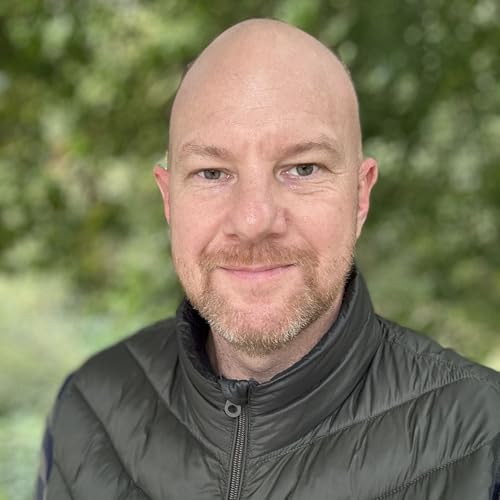
  • Who Are You After Transplant? Meet Survivor Adam Claxton
    May 27 2026
    In this episode of Marrow Masters, we talk with Adam Claxton, a British acute myeloid leukemia (AML) survivor who was diagnosed in 2024 and received a transplant in December 2024. He shares what early survivorship really feels like, especially the part no one prepares you for. Once treatment slows down, there is a gap between being a patient and figuring out who you are in the world again. Adam explains that around the 100 day mark, he felt dropped out of the system and forced to ask where he fit, what had changed, and who he was becoming after transplant. We also discuss graft versus host disease (GVHD) and how Adam reframes it. He calls it the price he pays for leukemic protection. That shift in perspective helps him see chronic GVHD not only as a complication, but also as evidence that the donor cells are doing their job. He is honest that it can be difficult physically and mentally, but he chooses to view it as part of survival and a sign that his body is being protected. A major focus of the conversation is mindset. Adam talks about mindset as something we have to work on daily, just like updating a device. He believes our thoughts shape how we feel, behave, and respond, and that mental habits matter just as much as physical recovery. He also opens up about relapse, calling it an even harder battle than the initial diagnosis. What helps him move through it is staying connected to his reasons for going on, including his family, his purpose, and his desire to help more people with his voice and experience. The episode also looks at faith over fear. Adam says both fear and faith still take you through the day, so he would rather choose the path that gives him hope. That same thinking connects to what he calls the reset after transplant. He realized he could not simply return to the same life, work, and identity he had before cancer. His priorities had changed, and so had his sense of purpose. Instead of trying to recover the old version of himself, he began building a new one. On a practical level, Adam shares advice about routines, mindfulness, exercise, social media boundaries, and finding joy again in simple things. One of his best suggestions is to go back to the things you loved doing around age 12, because those activities often reconnect you with peace, play, and presence. He also speaks warmly about the importance of support, especially from his wife and children, while reminding us that caregivers carry their own emotional burden too. By the end, Adam leaves listeners with a clear message. Survivors need to be kinder to themselves, own their stories, and start sharing what they have learned. His closing affirmation says it best: we can, we will, we must. More: Adam's Book, Daddy's Magic Blood, on Amazon: https://www.amazon.com/Daddys-Magic-Blood-story-healing/dp/B0GLGXHGW6 Thanks to this season's sponsors, Incyte and Sanofi. (00:00) Intro (01:52) The gap after treatment and early survivorship (03:52) Why survivorship can feel harder than treatment (07:24) Mindset and daily mental conditioning (10:23) Handling relapse and staying connected to purpose (13:20) Faith over fear (15:31) The post transplant identity reset (23:19) Social media, support, and emotional boundaries (26:50) The role of family and caregiver support (29:12) What survivors need more of (32:28) Final affirmation: We can, we will, we must National Bone Marrow Transplant Link - (800) LINK-BMT, or (800) 546-5268.nbmtLINK Website: https://www.nbmtlink.org/Check out our valued nbmtLINK resource books, some for sale, some free as downloadable, https://www.nbmtlink.org/shop/nbmtLINK Facebook Page: https://www.facebook.com/nbmtLINKFollow the nbmtLINK on Instagram! https://www.instagram.com/nbmtlink/The nbmtLINK YouTube Page can be found by clicking here.This content is provided for informational purposes only and is not intended to substitute for professional medical advice, diagnosis, or treatment. It is crucial to consult directly with a qualified healthcare professional regarding any medical conditions, treatment options, or other health concerns.The views and opinions expressed by the speakers are their own and do not necessarily reflect the official policy or position of the nbmtLINK. Unless otherwise stated in an official policy, the nbmtLINK does not endorse any specific treatments, products, or services mentioned by the speakers. Reliance on any information provided is solely at your own risk.The Marrow Masters Podcast is produced by JAG Podcast Productions: https://jagpodcastproductions.com/ Hosted by Simplecast, an AdsWizz company. See pcm.adswizz.com for information about our collection and use of personal data for advertising.
    Show More Show Less
    35 mins
adbl_web_anon_alc_button_suppression_c
No reviews yet