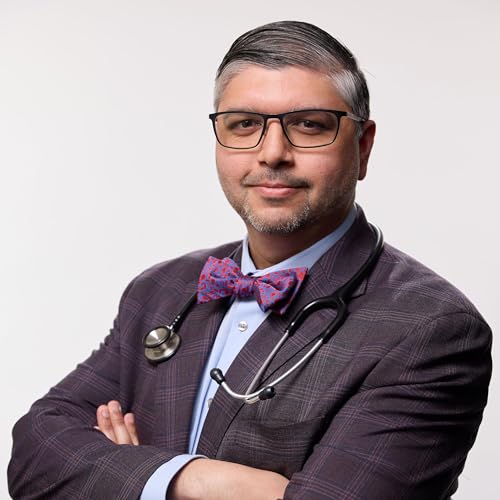
• The Medical Side of Transplant Survivorship - Dr. Amar Kelkar
    May 27 2026
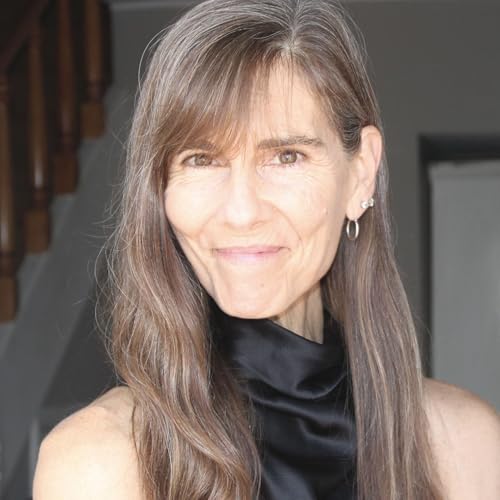
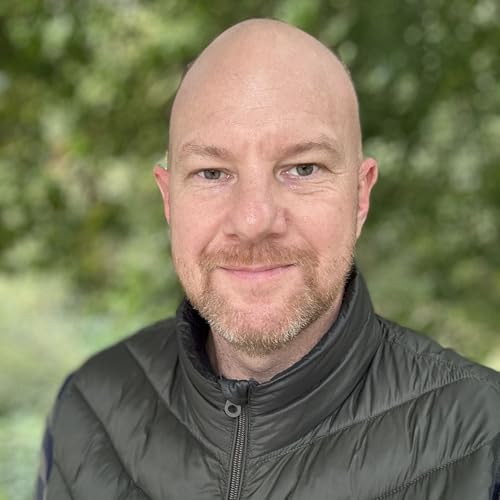
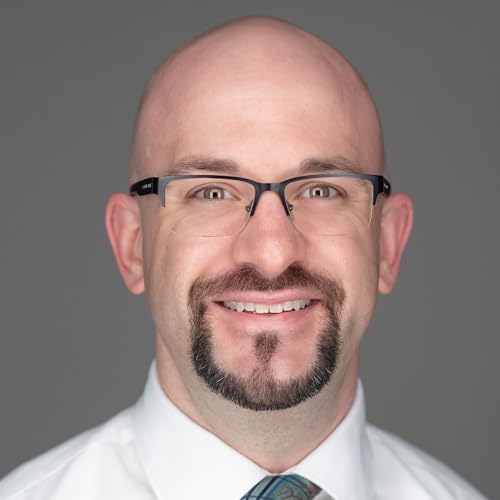
    Today, Peggy Burkhard talks with Dr. Amar Kelkar of the Dana-Farber Cancer Institute about the medical side of survivorship after bone marrow, stem cell, or CAR-T transplant. The conversation begins with the important shift from the urgent “save my life” phase to the longer “protect my health” phase. Dr. Kelkar explains that this transition often starts around the 100-day mark, though timing varies by transplant center, geographical region and patient needs. A major theme is the need to restart routine care that may have been paused during transplant. Dental care, dermatology, ophthalmology, and primary care all become important again. Dental visits are especially important because oral graft-versus-host disease (GVHD) can cause dry mouth, irritation, cavities, and other problems. Skin checks matter because transplant can increase the risk of skin cancers. Dr. Kelkar stresses annual dermatology visits, sun protection, SPF 50 or higher, protective clothing, and smart decisions about sun exposure. Fatigue is another central topic. Dr. Kelkar describes post-transplant fatigue as different from normal tiredness. It can feel deep, physical, and mental, and it may last for months or even years. He encourages patients to pace themselves, listen to their bodies, and build activity back slowly. Returning to work also needs to be individualized. Some patients work remotely during treatment, while others may need extended disability or a gradual return. The episode also covers immune recovery and repeat vaccinations. Dr. Kelkar explains that after transplant, the immune system has been reset, and many childhood vaccines need to be repeated. Most programs begin revaccination around six, nine, or 12 months, depending on immune suppression and other factors. He reassures listeners that many patients have fewer vaccine symptoms early on because their immune systems are still rebuilding. Dr. Kelkar also reviews long-term screening and prevention. Survivors need routine cancer screenings, including mammograms, colonoscopies, lung cancer screening when appropriate, skin exams, and monitoring for thyroid or other changes. Metabolic health is also important. Steroids can affect blood sugar, transplant can change body composition, and quick weight loss often includes muscle loss. Nutrition support and exercise programs can help, and Peggy notes that Blood Cancer United offers nutrition services for patients and caregivers. Blood Cancer United’s nutrition program provides free one-on-one consultations with oncology dietitians by phone or email. Bone health, hormone changes, sexual health, and early aging are also discussed. Dr. Kelkar explains that steroids, menopause, testosterone changes, vitamin D deficiency, and time indoors can affect bones. Many centers use DEXA scans and vitamin D supplementation. He also encourages patients to bring up sexual health concerns, including menopause symptoms, low testosterone, pain with intercourse, ulcers, or fear about resuming intimacy. The episode closes with practical advice for everyday life. Food restrictions often loosen around 100 days, but patients should reintroduce foods slowly and carefully. Raw foods, alcohol, tobacco, and inhaled smoke should generally be avoided, especially during the first year. Dr. Kelkar also emphasizes mental health support, counseling, and honest conversations with the medical team. Survivorship is a bumpy road, but the goal is to help patients regain control and thrive. Blood Cancer United Nutrition Offerings: https://bloodcancerunited.org/blood-cancer-care/adults/food-nutrition Thanks to this season's sponsors, Incyte and Sanofi. (00:00) Intro (01:16) Moving from acute treatment to survivorship (02:17) Dental, dermatology, ophthalmology, and routine care (05:45) Fatigue after transplant versus normal tiredness (08:35) Pacing yourself and avoiding setbacks (10:26) Returning to work after transplant (12:24) Resetting the immune system and repeat vaccinations (16:07) Secondary malignancy prevention and cancer screenings (18:59) Sun protection and skin cancer prevention (20:23) Metabolic health, blood sugar, and weight management (23:58) Bone health, vitamin D, DEXA scans, and early aging (29:32) Sexual health and hormonal changes (32:43) Everyday living after transplant (36:07) Psychological and cognitive hurdles in survivorship (38:16) Pulmonary function tests and liver monitoring (40:42) Closing thoughts National Bone Marrow Transplant Link - (800) LINK-BMT, or (800) 546-5268.nbmtLINK Website: https://www.nbmtlink.org/Check out our valued nbmtLINK resource books, some for sale, some free as downloadable, https://www.nbmtlink.org/shop/nbmtLINK Facebook Page: https://www.facebook.com/nbmtLINKFollow the nbmtLINK on Instagram! https://www.instagram.com/nbmtlink/The nbmtLINK YouTube Page can be found by clicking here.This content is provided for informational purposes only and is not intended to substitute for professional medical advice, ...
    Show More Show Less
    42 mins
  • Caregivers Need Care Too - With Ashlee Cramer
    May 27 2026
    In this episode of Marrow Masters, Peggy Burkhard talks with caregiver Ashlee Cramer about what caregiving really looks like during cancer, bone marrow transplant, and survivorship. Ashlee shares the story of her son Michael, who was diagnosed in 2020 with hepatosplenic T-cell lymphoma. Their family had already lived through cancer once before, when Ashlee’s husband Patrice was diagnosed with large B-cell lymphoma in 2014 and later died at home in hospice, surrounded by his family. Ashlee explains that caregiving is often misunderstood. Caregivers are not saints who always feel strong, positive, or ready. Many are scared, exhausted, grieving, and trying to manage jobs, children, finances, appointments, medications, and the emotional weight of watching someone they love suffer. She says caregivers often feel pressure to do everything alone, but that pressure can lead to burnout and isolation. The conversation focuses on the reality that caregiving is not always temporary or predictable. For Michael, treatment moved quickly from diagnosis to hospitalization to transplant. He received a stem cell transplant from an anonymous donor, went into remission, and then developed serious complications, including engraftment syndrome, acute graft versus host disease (GVHD) , and chronic GVHD. Ashlee says Michael is a miracle, and while GVHD remains part of his life, the key word is living. Ashlee also talks about mental health for caregivers. She names anxiety, depression, post-traumatic stress disorder (PTSD), burnout, and loneliness as common experiences. She points out that many cancer centers offer support for patients, but caregivers often have to search for help on their own. Support groups, virtual programs, and caregiver resources can make a major difference because connection helps people feel less alone. A central message of the episode is that caregivers need care too. Ashlee encourages caregivers to take small pockets of peace when they cannot take a full day away. A shower, a breathwork practice, a walk outside, a cup of coffee, or a short hug from another caregiver can help. She also reminds caregivers to accept help. A meal train, a friend waiting in the hospital lobby, or someone offering a few minutes of support can ease the load. The episode ends with hope. Ashlee talks about post-traumatic growth, or PTG, and the idea that people do not have to bounce back to who they were before trauma. They can bounce forward. Michael and Ashlee continue to advocate, share their story through their podcast Michael and Mom Talk Cancer, and remind other caregivers that they are not alone. Thanks to this season's sponsors, Incyte and Sanofi. (00:00 Intro (04:05) Misconceptions about caregiving and why caregivers are not saints (05:30) Why caregivers should not be expected to do everything alone (07:00) The pressure to “stay strong” and how it can isolate caregivers (09:49) The reality of caregiving and how much it affects mental health (12:03) Work, family, sacrifice, and the myth of balance (16:40) Caregiver anxiety, depression, PTSD, burnout, and the need for support (20:40) Finding small “pockets of peace” when a full break is impossible (23:10) What Ashlee wishes she knew earlier about speaking up and asking questions (24:59) Why accepting help matters and how a meal train supported her family (34:09) Post-traumatic growth and the idea of bouncing forward instead of bouncing back National Bone Marrow Transplant Link - (800) LINK-BMT, or (800) 546-5268.nbmtLINK Website: https://www.nbmtlink.org/Check out our valued nbmtLINK resource books, some for sale, some free as downloadable, https://www.nbmtlink.org/shop/nbmtLINK Facebook Page: https://www.facebook.com/nbmtLINKFollow the nbmtLINK on Instagram! https://www.instagram.com/nbmtlink/The nbmtLINK YouTube Page can be found by clicking here.This content is provided for informational purposes only and is not intended to substitute for professional medical advice, diagnosis, or treatment. It is crucial to consult directly with a qualified healthcare professional regarding any medical conditions, treatment options, or other health concerns.The views and opinions expressed by the speakers are their own and do not necessarily reflect the official policy or position of the nbmtLINK. Unless otherwise stated in an official policy, the nbmtLINK does not endorse any specific treatments, products, or services mentioned by the speakers. Reliance on any information provided is solely at your own risk.The Marrow Masters Podcast is produced by JAG Podcast Productions: https://jagpodcastproductions.com/ Hosted by Simplecast, an AdsWizz company. See pcm.adswizz.com for information about our collection and use of personal data for advertising.
    Show More Show Less
    37 mins
  • Who Are You After Transplant? Meet Survivor Adam Claxton
    May 27 2026
    In this episode of Marrow Masters, we talk with Adam Claxton, a British acute myeloid leukemia (AML) survivor who was diagnosed in 2024 and received a transplant in December 2024. He shares what early survivorship really feels like, especially the part no one prepares you for. Once treatment slows down, there is a gap between being a patient and figuring out who you are in the world again. Adam explains that around the 100 day mark, he felt dropped out of the system and forced to ask where he fit, what had changed, and who he was becoming after transplant. We also discuss graft versus host disease (GVHD) and how Adam reframes it. He calls it the price he pays for leukemic protection. That shift in perspective helps him see chronic GVHD not only as a complication, but also as evidence that the donor cells are doing their job. He is honest that it can be difficult physically and mentally, but he chooses to view it as part of survival and a sign that his body is being protected. A major focus of the conversation is mindset. Adam talks about mindset as something we have to work on daily, just like updating a device. He believes our thoughts shape how we feel, behave, and respond, and that mental habits matter just as much as physical recovery. He also opens up about relapse, calling it an even harder battle than the initial diagnosis. What helps him move through it is staying connected to his reasons for going on, including his family, his purpose, and his desire to help more people with his voice and experience. The episode also looks at faith over fear. Adam says both fear and faith still take you through the day, so he would rather choose the path that gives him hope. That same thinking connects to what he calls the reset after transplant. He realized he could not simply return to the same life, work, and identity he had before cancer. His priorities had changed, and so had his sense of purpose. Instead of trying to recover the old version of himself, he began building a new one. On a practical level, Adam shares advice about routines, mindfulness, exercise, social media boundaries, and finding joy again in simple things. One of his best suggestions is to go back to the things you loved doing around age 12, because those activities often reconnect you with peace, play, and presence. He also speaks warmly about the importance of support, especially from his wife and children, while reminding us that caregivers carry their own emotional burden too. By the end, Adam leaves listeners with a clear message. Survivors need to be kinder to themselves, own their stories, and start sharing what they have learned. His closing affirmation says it best: we can, we will, we must. More: Adam's Book, Daddy's Magic Blood, on Amazon: https://www.amazon.com/Daddys-Magic-Blood-story-healing/dp/B0GLGXHGW6 Thanks to this season's sponsors, Incyte and Sanofi. (00:00) Intro (01:52) The gap after treatment and early survivorship (03:52) Why survivorship can feel harder than treatment (07:24) Mindset and daily mental conditioning (10:23) Handling relapse and staying connected to purpose (13:20) Faith over fear (15:31) The post transplant identity reset (23:19) Social media, support, and emotional boundaries (26:50) The role of family and caregiver support (29:12) What survivors need more of (32:28) Final affirmation: We can, we will, we must National Bone Marrow Transplant Link - (800) LINK-BMT, or (800) 546-5268.nbmtLINK Website: https://www.nbmtlink.org/Check out our valued nbmtLINK resource books, some for sale, some free as downloadable, https://www.nbmtlink.org/shop/nbmtLINK Facebook Page: https://www.facebook.com/nbmtLINKFollow the nbmtLINK on Instagram! https://www.instagram.com/nbmtlink/The nbmtLINK YouTube Page can be found by clicking here.This content is provided for informational purposes only and is not intended to substitute for professional medical advice, diagnosis, or treatment. It is crucial to consult directly with a qualified healthcare professional regarding any medical conditions, treatment options, or other health concerns.The views and opinions expressed by the speakers are their own and do not necessarily reflect the official policy or position of the nbmtLINK. Unless otherwise stated in an official policy, the nbmtLINK does not endorse any specific treatments, products, or services mentioned by the speakers. Reliance on any information provided is solely at your own risk.The Marrow Masters Podcast is produced by JAG Podcast Productions: https://jagpodcastproductions.com/ Hosted by Simplecast, an AdsWizz company. See pcm.adswizz.com for information about our collection and use of personal data for advertising.
    Show More Show Less
    35 mins
  • The Patient Story: Stephanie Chuang's Journey from Patient to Storyteller
    May 27 2026
    In this episode of Marrow Masters, we speak with Stephanie Chuang, founder and chief storyteller of The Patient Story. Stephanie shares how her life changed at 31, just two months before her wedding, when she was diagnosed with lymphoma. At the time, she was working as a TV news reporter in San Francisco and had been explaining away symptoms like fatigue, bloating, and a strange cough. A same day doctor’s visit led to blood work, an x-ray, an emergency CT scan, and then the call that confirmed lymphoma. Stephanie talks about the shock of diagnosis and the fear that followed. She also shares how much it mattered to have people around her who understood how to navigate the health care system. A family friend who was a doctor helped her get into care quickly, showed her what steps to take, and became a human compass during a frightening time. That experience stayed with her. It helped shape the reason she later created The Patient Story, so others would not have to feel so alone after diagnosis. The conversation then moves into survivorship and the emotional whiplash that can happen when treatment ends. Stephanie explains that hearing “no evidence of disease” was a huge relief, but it did not mean life went back to normal. She felt grateful, but she also felt lost. Her identity as a journalist, fiancé, daughter, sister, and busy person had been shaken. She could not simply return to the same pace or the same version of herself. Stephanie also talks about scanxiety and the surveillance cycle. She describes how difficult it can be to move from frequent monitoring to longer gaps between appointments. Graduating from three month checks to six month checks can feel like progress, but it can also feel scary. She explains that giving herself permission to feel anxious, without adding shame, helped her cope. We also talk about the phrase “the new normal” and the late effects that can follow intense treatment. Stephanie shares that survivorship requires more support than many people realize, especially when patients move from oncology care back to primary care. She emphasizes the importance of meeting people where they are, validating their fears, and helping them feel less alone. The episode closes with Stephanie’s message to newly diagnosed patients: you are not alone, your questions matter, and you deserve to speak up in the doctor’s office. The Patient Story exists to share honest, hopeful stories that help people find connection, information, and courage. Links: The Patient Story: https://thepatientstory.com/ Bag It Cancer: https://bagitcancer.org/ Escape to THRIVE: https://escape4advocates.org/ Thanks to this season's sponsors, Incyte and Sanofi. (00:00) Intro (01:34) Stephanie begins her cancer story (06:01) Navigating the medical system with help from a doctor friend (07:16) Hospital testing, biopsy, and the idea behind The Patient Story (08:35) Moving into survivorship (10:14) Identity, work, and life after cancer (13:03) Scanxiety and the surveillance cycle (16:31) Survivor guilt and transitioning back to primary care (17:47) Identity loss after leaving a news career (23:21) The phrase “the new normal” (26:36) Meeting people where they are in survivorship (28:16) The power of patient storytelling (28:41) Caregivers, care partners, and family support (30:20) Advice for newly diagnosed patients National Bone Marrow Transplant Link - (800) LINK-BMT, or (800) 546-5268.nbmtLINK Website: https://www.nbmtlink.org/Check out our valued nbmtLINK resource books, some for sale, some free as downloadable, https://www.nbmtlink.org/shop/nbmtLINK Facebook Page: https://www.facebook.com/nbmtLINKFollow the nbmtLINK on Instagram! https://www.instagram.com/nbmtlink/The nbmtLINK YouTube Page can be found by clicking here.This content is provided for informational purposes only and is not intended to substitute for professional medical advice, diagnosis, or treatment. It is crucial to consult directly with a qualified healthcare professional regarding any medical conditions, treatment options, or other health concerns.The views and opinions expressed by the speakers are their own and do not necessarily reflect the official policy or position of the nbmtLINK. Unless otherwise stated in an official policy, the nbmtLINK does not endorse any specific treatments, products, or services mentioned by the speakers. Reliance on any information provided is solely at your own risk.The Marrow Masters Podcast is produced by JAG Podcast Productions: https://jagpodcastproductions.com/ Hosted by Simplecast, an AdsWizz company. See pcm.adswizz.com for information about our collection and use of personal data for advertising.
    Show More Show Less
    33 mins
  • The Strain of Worry: Mental Health in Transplant Survivorship
    May 27 2026
    Today, Peggy talks with Daniel Gaylor, LCSW, OSW-C, ACHP-SW, and a social work supervisor at Moffitt Cancer Center, about what happens after patients and caregivers get through the intense treatment period and begin asking, “Now what?” Daniel explains that recovery does not mean life snaps back to normal. Survivorship brings fear, relief, hope, uncertainty, and exhaustion all at once. Those reactions are normal, and they deserve to be named. Daniel explains why post-traumatic stress disorder (PTSD) can show up after transplant. A transplant is not a routine treatment. It can involve long hospital stays, isolation, major physical side effects, and real fears about survival. When patients return for follow up visits, they may be brought back emotionally to those difficult hospital days. This can make survivorship feel complicated, even when the transplant was successful. Another key theme is slowly letting go. Patients may feel afraid to go out, socialize, eat in a restaurant, drive, or return to activities they once enjoyed. Daniel encourages survivors to start small and to be fair to the situation. It is easy to imagine the worst case. But it also helps to keep yourself honest - say out loud what could happen if things go well. The episode also addresses the “strain of worry.” Daniel describes signs of anxiety and depression, including sleep problems, racing thoughts, trouble concentrating, irritability, sadness, appetite changes, and not wanting to do things that usually bring joy. He reminds listeners that difficult days do not mean failure. Survivors should be able to say, “Today is not my best day,” and ask for help. Peggy and Daniel also talk about toxic positivity. While loved ones often mean well, phrases like “you’re lucky to be alive” can minimize a survivor’s fear or pain. Daniel encourages honest communication. Patients can thank loved ones for their support while also explaining what would help more. Social connection is another major part of healing. Daniel urges survivors and caregivers to increase connection and reduce isolation. A quick text, a short call, a support group, or a shared conversation can make a real difference. Peggy highlights programs where survivors can meet others who understand graft versus host disease (GVHD) and transplant recovery. Daniel closes with the idea of building a “tool belt.” Each person needs practical coping tools, whether that is a friend, music, journaling, counseling, mindfulness, a book, or a favorite place to reset. Caregivers need their own tool belts too. Transplant affects the whole support system, and survivorship works best when people communicate, ask for help, and remember they are not meant to do this alone. Links: Elephants and Tea: https://elephantsandtea.org/BMT InfoNet: https://bmtinfonet.org/Blood Cancer United: https://bloodcancerunited.org/ Thanks to this season's sponsors, Incyte and Sanofi. (00:00) Intro (01:01) Normalizing emotional reactions during recovery (04:22) PTSD after transplant and why it matters (08:59) Slowly letting go after transplant (13:12) Facing the worst case and choosing to move forward (13:53) The strain of worry and mental health red flags (19:31) Toxic positivity and the power of validation (20:26) How to talk with loved ones who are trying to help (22:39) Social health, connection, and friendship (26:43) Support groups, GVHD, and feeling understood (28:07) Building a survivorship "tool belt" (33:08) Why transplant never fully “stops” (36:39) A patient story about resilience and asking for help National Bone Marrow Transplant Link - (800) LINK-BMT, or (800) 546-5268.nbmtLINK Website: https://www.nbmtlink.org/Check out our valued nbmtLINK resource books, some for sale, some free as downloadable, https://www.nbmtlink.org/shop/nbmtLINK Facebook Page: https://www.facebook.com/nbmtLINKFollow the nbmtLINK on Instagram! https://www.instagram.com/nbmtlink/The nbmtLINK YouTube Page can be found by clicking here.This content is provided for informational purposes only and is not intended to substitute for professional medical advice, diagnosis, or treatment. It is crucial to consult directly with a qualified healthcare professional regarding any medical conditions, treatment options, or other health concerns.The views and opinions expressed by the speakers are their own and do not necessarily reflect the official policy or position of the nbmtLINK. Unless otherwise stated in an official policy, the nbmtLINK does not endorse any specific treatments, products, or services mentioned by the speakers. Reliance on any information provided is solely at your own risk.The Marrow Masters Podcast is produced by JAG Podcast Productions: https://jagpodcastproductions.com/ Hosted by Simplecast, an AdsWizz company. See pcm.adswizz.com for information about our collection and use of personal data for advertising.
    Show More Show Less
    41 mins
  • The Transition to Survivorship with Christy Donovan, DNP, RN
    May 27 2026
    In this episode, we talk with Christy Donovan, DNP, RN, a Blood Cancer Coordinator at the the Blood and Marrow Transplant/ Leukemia Program at Northside Hospital Cancer Institute, about what survivorship really looks like after a stem cell transplant. The central message is that survivorship is not a finish line. It is a transition into a new normal. Many patients expect life to return to the way it was before diagnosis or transplant, but recovery usually feels slower, messier, and more emotional than that. Fatigue, side effects, fear, and frustration can last for months, and that does not mean something is wrong. It means recovery is still happening. We also focus on how important it is to set realistic expectations. Christy explains that early struggles do not define long term outcomes. A setback in the first weeks or months after transplant does not mean a patient will not go on to live a full and meaningful life. Recovery takes patience. Small wins matter. Walking to the mailbox, cooking a meal, or getting through a day with a little more energy can be major milestones. Over time, those moments add up. Another major theme is emotional recovery. We talk about the fear of recurrence and the challenge of learning what is normal after treatment versus what should be reported to a doctor. That education helps people feel more confident and less trapped by fear. We also touch on how easy it is to forget that some aches and pains may simply come with getting older, not always with cancer. That perspective can be grounding. Other survivors can be a valuable information resource, too. Support comes up again and again throughout the conversation. Caregivers remain important in survivorship, but their role changes. Friends, peer support, support groups, podcasts, and survivorship communities all help patients feel less isolated. Christy emphasizes the value of honesty and vulnerability, especially in telling people what kind of support is needed on a given day. Some days call for celebration. Some days call for rest. We also talk about the tension between wanting to get back to life and needing to stay safe. Many survivors ask when they can return to work, travel, attend church, or see family. That desire is a good sign. It shows hope. At the same time, it takes guidance from the healthcare team to know when and how to widen that protective bubble. The episode ends on a hopeful note. Christy shares that she does not think of one survivor story. She thinks of many faces. She describes the joy of seeing patients return months later looking stronger, brighter, and more like themselves. That image captures the heart of the episode. Survivorship is hard, but it is also full of possibility, growth, connection, and life after transplant. More: Northside Hospital Cancer Institute Blood & Marrow Transplant Program — https://www.northside.com/services/cancer-institute/cancer-treatment-options/blood-marrow-transplant-programNorthside Hospital Cancer Institute Blood Cancer Program — https://www.northside.com/services/cancer-institute/cancer-programs/blood-cancer-programNational Bone Marrow Transplant Link (nbmtLINK) — https://www.nbmtlink.org/ Thanks to this season's sponsors, Incyte and Sanofi. (00:00) Introduction (00:40) Meet Christy Donovan (01:42) Survivorship as a transition (03:00) The role of caregivers and support after transplant (03:38) Early struggles vs long term outcomes (05:41) Emotional impact and fear of recurrence (07:02) Learning what is normal and what is not (07:55) Support groups, healing arts, and community (08:44) Being honest with friends about what you need (09:34) Managing energy and celebrating small wins (11:02) Patience, hope, and finding your people (13:15) Common questions in early survivorship (14:27) Expanding the protective bubble (15:20) The many faces of survivorship (17:03) Final encouragement and close National Bone Marrow Transplant Link - (800) LINK-BMT, or (800) 546-5268.nbmtLINK Website: https://www.nbmtlink.org/Check out our valued nbmtLINK resource books, some for sale, some free as downloadable, https://www.nbmtlink.org/shop/nbmtLINK Facebook Page: https://www.facebook.com/nbmtLINKFollow the nbmtLINK on Instagram! https://www.instagram.com/nbmtlink/The nbmtLINK YouTube Page can be found by clicking here.This content is provided for informational purposes only and is not intended to substitute for professional medical advice, diagnosis, or treatment. It is crucial to consult directly with a qualified healthcare professional regarding any medical conditions, treatment options, or other health concerns.The views and opinions expressed by the speakers are their own and do not necessarily reflect the official policy or position of the nbmtLINK. Unless otherwise stated in an official policy, the nbmtLINK does not endorse any specific treatments, products, or services mentioned by the speakers. Reliance on any information provided is solely at your own risk.The Marrow...
    Show More Show Less
    18 mins
  • Survivorship Post-Transplant (Season 20 Trailer)
    May 20 2026

    Season 20 of the Marrow Masters Podcast, produced by the National Bone Marrow Transplant LINK, focuses on thriving in survivorship post-transplant. You'll hear from patients, caregivers, doctors and social workers as they share their best tips and practices. Season 20 of the Marrow Masters Podcast is sponsored by Incyte and Sanofi.

    Look for Season 20 on May 27, 2026. And be sure not to miss an episode! Follow our show for free on Apple, Spotify, YouTube, or wherever you're listening right now.

    National Bone Marrow Transplant Link - (800) LINK-BMT, or (800) 546-5268.

    nbmtLINK Website: https://www.nbmtlink.org/

    Check out our valued nbmtLINK resource books, some for sale, some free as downloadable, https://www.nbmtlink.org/shop/

    nbmtLINK Facebook Page: https://www.facebook.com/nbmtLINK

    Follow the nbmtLINK on Instagram! https://www.instagram.com/nbmtlink/

    The nbmtLINK YouTube Page can be found by clicking here.

    This content is provided for informational purposes only and is not intended to substitute for professional medical advice, diagnosis, or treatment. It is crucial to consult directly with a qualified healthcare professional regarding any medical conditions, treatment options, or other health concerns.

    The views and opinions expressed by the speakers are their own and do not necessarily reflect the official policy or position of the nbmtLINK. Unless otherwise stated in an official policy, the nbmtLINK does not endorse any specific treatments, products, or services mentioned by the speakers. Reliance on any information provided is solely at your own risk.

    The Marrow Masters Podcast is produced by JAG Podcast Productions: https://jagpodcastproductions.com/


    Hosted by Simplecast, an AdsWizz company. See pcm.adswizz.com for information about our collection and use of personal data for advertising.

    Show More Show Less
    3 mins
  • Peggy Guesting on Transplant Radio Podcast
    Mar 5 2026
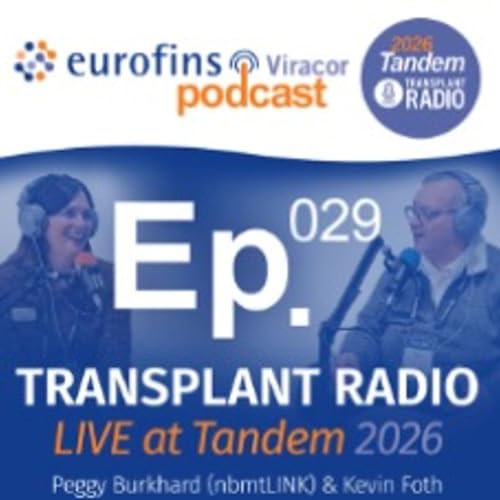
    Recently, Peggy attended the Tandem 2026 meeting in Salt Lake City, Utah. While there, she sat down as a guest on the Eurofins Viracor Transplant Radio podcast. We wanted to share that interview with you. If you'd like to follow their podcast, you can do so at the links below. We learn today from Peggy Burkhard that transplant is not just a medical experience — it’s an emotional, creative, and community‑driven journey that patients, caregivers, and families navigate together. Peggy shares how the National Bone Marrow Transplant Link has evolved since its founding in 1992, offering a wide range of free programs that support patients from diagnosis through survivorship. She highlights the often‑overlooked emotional load carried by caregivers and explains how "the Link" (nbmtLINK), builds connection through healing arts sessions, book clubs, lunch‑and‑learn programs, and survivorship education. We hear about their thriving “Marrow Masters” podcast with 160+ episodes and 40,000 downloads, as well as their expanding resources such as Spanish‑language materials, financial guidance books, and partnerships with groups like the GVHD Alliance and Blood Cancer United. Peggy also gives an inside look at GVHD Awareness Day and the organization’s growing social media footprint, which helps elevate patient voices and practical wisdom to the global transplant community. Hosted by Kevin Foth of Eurofins Viracor. Episode Links:Peggy Burkhard | LinkedInThe LINK (nbmtLINK)Meredith A. Cowden FoundationGVHD AllianceMarrow Masters Podcast by nbmtLINK Be a Guest on our Show! We’re always looking to speak with the transplant community. To be considered, please email ---> Amplify your influence! 📧 US42-DL-MarketingTeam@Viracor.EurofinsUS.com Social Media:LinkedIn | X-Twitter | Facebook | Threads | YouTube | Bluesky The discussions in this podcast are meant to inform and spark conversation, not to provide medical advice. For guidance on personal health questions, diagnoses, or treatment decisions, always speak directly with a licensed healthcare professional. For more information visit: Eurofins-Viracor.com or call (800)305-5198 Copyright © 2026 Eurofins Viracor, LLC. All Rights Reserved. 🎧 Home of Transplant Radio™ National Bone Marrow Transplant Link - (800) LINK-BMT, or (800) 546-5268.nbmtLINK Website: https://www.nbmtlink.org/Check out our valued nbmtLINK resource books, some for sale, some free as downloadable, https://www.nbmtlink.org/shop/nbmtLINK Facebook Page: https://www.facebook.com/nbmtLINKFollow the nbmtLINK on Instagram! https://www.instagram.com/nbmtlink/The nbmtLINK YouTube Page can be found by clicking here.This content is provided for informational purposes only and is not intended to substitute for professional medical advice, diagnosis, or treatment. It is crucial to consult directly with a qualified healthcare professional regarding any medical conditions, treatment options, or other health concerns.The views and opinions expressed by the speakers are their own and do not necessarily reflect the official policy or position of the nbmtLINK. Unless otherwise stated in an official policy, the nbmtLINK does not endorse any specific treatments, products, or services mentioned by the speakers. Reliance on any information provided is solely at your own risk.The Marrow Masters Podcast is produced by JAG Podcast Productions: https://jagpodcastproductions.com/ Hosted by Simplecast, an AdsWizz company. See pcm.adswizz.com for information about our collection and use of personal data for advertising.
    Show More Show Less
    18 mins